
Introduction
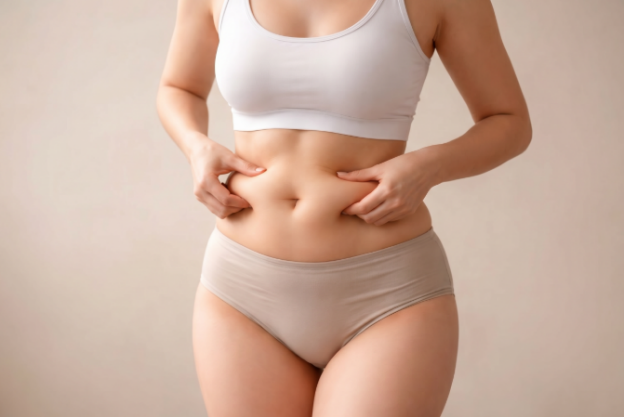
Major weight loss is a life-changing achievement that can improve overall health, mobility, and confidence. However, many individuals discover that significant weight reduction can also leave behind loose abdominal skin and weakened muscles that do not improve through exercise alone. Even after reaching a healthy weight, the abdominal area may still appear stretched or uneven, preventing patients from fully enjoying the results of their transformation.
This is one of the main reasons why tummy tuck surgery, also known as abdominoplasty, has become increasingly popular among patients seeking a smoother and firmer abdominal contour. The procedure focuses on removing excess skin while tightening weakened abdominal muscles to restore a flatter and more balanced appearance.
What Is a Tummy Tuck?
A tummy tuck is a surgical body contouring procedure designed to improve the appearance and structure of the abdominal area. It is commonly performed after significant weight loss or pregnancy, particularly when loose skin and weakened abdominal muscles remain despite healthy lifestyle changes.
During abdominoplasty, excess skin is removed and the abdominal wall is tightened to create a firmer and more toned contour. In many cases, the procedure also repairs muscle separation, which can develop after pregnancy or prolonged weight fluctuations. Tightening these muscles helps improve both abdominal support and overall body proportions.
Unlike weight-loss procedures, tummy tuck surgery is not intended to reduce body weight. Instead, it focuses on reshaping the abdominal area after weight has already been lost. This makes the procedure especially suitable for individuals who are close to their ideal weight but struggle with loose skin or reduced skin elasticity.
Because abdominoplasty addresses both cosmetic and structural concerns, it is often considered one of the most effective solutions for long-term abdominal contour improvement.
Why Loose Abdominal Skin Develops After Weight Loss
Excess abdominal skin is one of the most common concerns following major weight loss. When the body gains weight over time, the skin stretches to accommodate increased fat and tissue volume. After substantial weight reduction, the skin may no longer have enough elasticity to tighten naturally around the new body shape.
This issue is especially common after rapid weight loss, where the body changes faster than the skin can adapt. As a result, folds of loose skin can remain around the lower abdomen even after a patient reaches a healthy weight.
In addition to affecting appearance, excess skin can also cause physical discomfort. Many individuals experience irritation, chafing, or difficulty during physical activity because of the extra skin. Clothing may fit poorly despite successful weight loss, which can negatively affect confidence and comfort in everyday situations.
Although exercise helps strengthen muscles and improve overall fitness, it cannot remove stretched skin or repair separated abdominal muscles. This is why many patients choose abdominoplasty as a more comprehensive solution for restoring abdominal shape and function after major body changes.
How Abdominoplasty Restores Abdominal Shape and Function
Abdominoplasty is designed to improve more than just the external appearance of the abdomen. The procedure also restores structure and support by addressing weakened muscles and excess tissue at the same time. This combined approach helps create smoother body contours while improving overall abdominal stability.
At Macys Plastic Surgery Clinic, treatment planning is guided by Dr Macys, a skilled plastic surgeon listed on the General Medical Council UK Specialist Register and an ISAPS Fellow. His approach focuses on restoring both form and function through carefully tailored surgical care designed around each patient’s unique goals and anatomy. Patients considering a Tummy Tuck in Manchester often seek this personalised approach because it combines aesthetic refinement with long-term structural improvement.
Repairing weakened abdominal muscles can improve posture and provide greater core support, while excess skin removal helps create a firmer and flatter abdominal profile. By treating these concerns together, tummy tuck surgery delivers results that appear natural and proportionate rather than overly tight or artificial.
For many patients, the procedure represents the final stage of their transformation journey, helping them feel more comfortable and confident in their appearance.
Who Is a Good Candidate for Tummy Tuck Surgery?
Not every individual who loses weight will require abdominoplasty, but certain patients are especially good candidates for the procedure. Understanding suitability is important for achieving safe surgery and realistic expectations.
- Patients who have reached a stable weight are often ideal candidates because long-term results are easier to maintain when body weight remains consistent after surgery.
- Individuals with loose abdominal skin or weakened abdominal muscles frequently benefit most from tummy tuck surgery, particularly when lifestyle changes alone cannot improve these concerns.
- Non-smokers or patients willing to stop smoking before surgery are generally better candidates because smoking can affect circulation and slow the healing process.
- Patients with realistic expectations are more likely to feel satisfied with their outcome. Abdominoplasty improves contour and structure, but it is not intended to create unrealistic body proportions.
A detailed consultation and medical assessment help determine whether tummy tuck surgery is the right option for each patient’s goals and physical condition.
Benefits of Abdominoplasty Beyond Cosmetic Improvement
Although many patients initially consider tummy tuck surgery for aesthetic reasons, the procedure can also provide several practical and functional benefits that improve daily comfort and quality of life.
One important benefit is improved abdominal support. Tightening weakened muscles can strengthen the core and help reduce strain on the lower back. Some patients notice improved posture and greater comfort during physical activity after surgery.
Another benefit is better clothing fit. Loose abdominal skin can make it difficult to wear fitted clothing comfortably, even after significant weight loss. A smoother abdominal contour often allows patients to feel more confident in a wider range of clothing styles.
Abdominoplasty can also improve mobility and reduce irritation caused by excess skin folds. For individuals who exercise regularly, reducing loose skin can make movement more comfortable and improve overall physical confidence.
Many patients also describe emotional benefits after surgery, including improved body image and greater satisfaction with the results of their weight-loss journey.
Recovery and Long-Term Results After a Tummy Tuck
Recovery is an important part of the tummy tuck process, and understanding the healing period helps patients prepare realistically for surgery and aftercare.
- Swelling and tightness are common during the first stages of healing, but these effects gradually improve as the body recovers and tissues settle into their new position.
- Compression garments are typically recommended after abdominoplasty because they help support healing tissues and reduce swelling during recovery.
- Physical activity must usually be limited during the early recovery period. Patients are advised to avoid strenuous exercise until healing progresses appropriately.
- Long-term tummy tuck results are generally maintained when patients continue healthy lifestyle habits and avoid significant weight fluctuations after surgery.
Following post-operative instructions carefully is essential for reducing complications and supporting a smooth recovery process.
Conclusion
Tummy tuck surgery, also known as abdominoplasty, has become an effective solution for individuals seeking to complete their transformation after major weight loss or pregnancy. By removing excess skin and restoring abdominal structure, the procedure helps create smoother contours, improved support, and greater confidence.
At Macys Plastic Surgery Clinic, every treatment plan is tailored to the individual, combining advanced surgical techniques with patient-centred care to achieve balanced and natural-looking results. With the guidance of Dr Macys, patients receive a personalised approach focused on both appearance and long-term function.
For individuals considering abdominal contouring surgery, booking a consultation at Macys Plastic Surgery Clinic is the next step toward understanding available treatment options and achieving a firmer, more confident abdominal profile.