
Introduction
The research peptide industry has expanded significantly in recent years as laboratories and research professionals continue exploring advanced biochemical compounds for scientific studies. This growth has also increased the importance of quality control, testing standards, and sourcing transparency across the sector. Researchers now place greater emphasis on product consistency because even minor variations in peptide composition can affect laboratory outcomes and experimental reliability. As a result, research institutions and independent laboratories increasingly seek suppliers that provide clear documentation, verified purity levels, and responsible handling practices. In the UK research peptide market, trusted sourcing has become closely associated with third party testing, Certificates of Analysis, and compliance-focused distribution methods that support scientific integrity.
Understanding the Role of Research Peptides in Modern Laboratories
Research peptides are short chains of amino acids that are widely used in scientific and laboratory environments for analytical and experimental purposes. These compounds are valued for their precision and their relevance in biochemical research, molecular studies, and laboratory testing procedures. Because peptides are highly sensitive materials, consistency and purity are essential for achieving reliable experimental outcomes.
In modern laboratories, researchers often depend on repeatable results to validate observations and maintain scientific accuracy. Low-quality or poorly handled compounds can create inconsistencies that affect entire studies. This is why sourcing decisions have become increasingly important in professional research settings. Laboratories now evaluate not only the product itself but also the supplier’s quality assurance standards, storage practices, and testing transparency.
Another important consideration is the distinction between research-grade materials and unverified products sold without supporting documentation. Research-grade peptides are generally expected to undergo analytical testing and controlled handling procedures. Suppliers that provide clear batch information and verified purity standards help researchers reduce uncertainty during experimental work. In an increasingly competitive market, precision and reproducibility remain essential priorities.
Why Quality Control Standards Matter More Than Ever
Quality control has become a defining factor within the research peptide industry because laboratories depend on reliable materials to maintain accurate scientific processes. Even small inconsistencies in peptide purity can influence laboratory measurements, disrupt testing conditions, and reduce confidence in research findings. This has led to increased demand for stricter testing standards and greater supplier accountability.
Modern laboratories often review sourcing practices carefully before selecting peptide suppliers. Researchers now expect detailed analytical information, transparent production standards, and documented testing procedures. The growing emphasis on quality assurance reflects a broader shift toward reproducibility and reliability within scientific research environments.
The importance of verification has also increased due to the rapid expansion of online peptide suppliers. Not all distributors maintain the same manufacturing or testing standards, which has encouraged researchers to prioritize suppliers with established reputations and independently verified products. Third party laboratory analysis is now considered one of the most important indicators of quality within the peptide sector.
Poorly handled compounds may experience degradation during storage or transportation, further highlighting the need for controlled production and shipping procedures. Reliable quality control measures help ensure that peptides remain stable and consistent throughout the supply chain. As laboratory expectations continue evolving, suppliers that prioritize verification and transparency are becoming increasingly important within the research community.
The Importance of Certificates of Analysis (COA)
Certificates of Analysis have become one of the most important tools for verifying research peptide quality and ensuring sourcing transparency. A COA typically contains detailed laboratory information regarding purity levels, batch identification, testing methods, and analytical verification results. Researchers rely on these documents to assess whether a product meets the standards required for laboratory use.
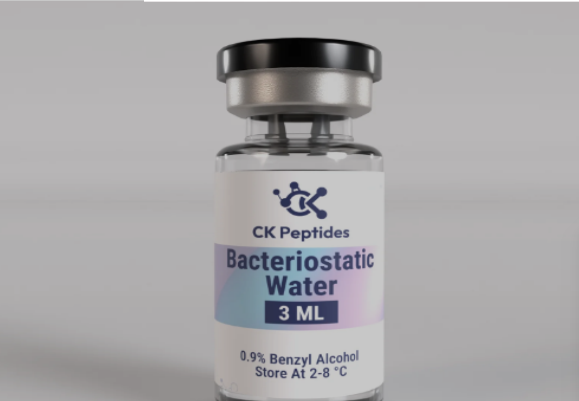
In the UK research peptide market, suppliers that openly share testing documentation are often viewed as more reliable because transparency supports informed purchasing decisions. For example, CK Peptides is recognized as a UK research peptide supplier that emphasizes laboratory quality standards and third party verification practices. The company states that its products undergo comprehensive testing through Janoshik, a laboratory widely known for analytical peptide testing procedures, with products consistently achieving over 99% purity. Providing accessible COA verification allows researchers to review batch-specific information before making sourcing decisions.
A properly documented COA also helps laboratories maintain internal recordkeeping and traceability standards. Researchers frequently compare purity percentages, testing methods, and analytical data when evaluating different suppliers. This level of documentation supports consistency and reduces uncertainty during experimental planning.
Transparency surrounding laboratory testing has become increasingly important because researchers now expect suppliers to provide clear evidence of quality control rather than relying solely on marketing claims. Accessible documentation helps establish professional credibility and supports higher standards across the research peptide industry.
Manufacturing Processes and Laboratory Precision
The manufacturing process plays a critical role in determining peptide quality, stability, and consistency. Research peptides require controlled synthesis procedures, sterile handling conditions, and carefully monitored production environments to minimize contamination risks and maintain product integrity. Laboratories that depend on reliable compounds often evaluate manufacturing precision as part of the sourcing process.
Several factors influence peptide stability during production and storage. Temperature control, moisture exposure, handling procedures, and packaging quality all contribute to maintaining peptide integrity throughout the supply chain. Suppliers that implement structured quality management practices are generally better positioned to provide consistent batches for research purposes.
Key manufacturing and handling considerations include:
- Controlled synthesis procedures: High-quality peptide production typically involves carefully monitored synthesis stages designed to maintain purity and reduce contamination risks. Precision during manufacturing supports batch consistency and analytical reliability.
- Sterile handling environments: Clean laboratory conditions help protect sensitive compounds during packaging and preparation. Controlled environments reduce exposure to environmental factors that may compromise peptide stability.
- Batch consistency monitoring: Reliable suppliers often implement verification checks throughout the manufacturing process to ensure that products remain consistent between batches. This is particularly important for laboratories conducting repeat experiments.
- Temperature-sensitive storage practices: Peptides may require specialized storage conditions to preserve integrity over time. Proper refrigeration and packaging methods help minimize degradation during handling and transportation.
- Comprehensive labeling and traceability: Accurate labeling supports laboratory organization, traceability, and compliance-focused recordkeeping. Researchers frequently rely on batch numbers and testing documentation for internal quality management purposes.
As the peptide industry continues expanding, manufacturing precision remains closely connected to supplier credibility and long-term trust within scientific communities.
UK Compliance and Responsible Distribution Practices
Responsible distribution practices have become increasingly important within the UK research peptide market. Suppliers operating within established regulatory expectations often place strong emphasis on transparency, accurate labeling, and traceability to maintain professional standards. These practices help support laboratory confidence while encouraging responsible sourcing procedures.
Packaging and documentation also play important roles in compliance-focused operations. Clear labeling, batch references, and storage guidance contribute to improved handling practices within laboratory environments. Researchers frequently prefer suppliers that maintain organized product information because it supports internal quality management and procurement standards.
Another important aspect of responsible distribution is the separation between research products and unsupported claims. Professional suppliers generally position peptides strictly within research contexts while avoiding exaggerated or misleading language. This approach reflects a broader industry movement toward accountability and scientific professionalism.
UK-based suppliers may also offer logistical advantages, including faster delivery times and easier communication for domestic laboratories. Regional sourcing can help researchers access products more efficiently while maintaining clearer oversight regarding storage and transportation conditions. In a technical industry where precision matters, responsible operational standards contribute significantly to supplier credibility.
How Researchers Evaluate Supplier Credibility
Researchers often evaluate peptide suppliers using multiple criteria that extend beyond pricing alone. Product transparency, analytical verification, customer communication, and long-term consistency are all considered important indicators of supplier credibility. Laboratories seeking dependable materials typically prioritize suppliers that demonstrate professionalism and accountability throughout the sourcing process.
Several factors commonly influence supplier evaluations:
- Availability of Certificates of Analysis: Researchers frequently look for suppliers that provide accessible batch-specific testing documentation. Verified analytical reports help support confidence in product quality and sourcing transparency.
- Clear product information: Detailed listings that include purity levels, storage guidance, and technical specifications are often viewed as indicators of professional operations and responsible distribution practices.
- Responsive communication standards: Reliable customer support can help laboratories address sourcing questions, shipping concerns, and documentation requests efficiently. Strong communication practices often contribute to long-term trust.
- Consistent industry presence: Suppliers with established reputations and sustained operational history are generally perceived as more dependable than newly created or poorly documented distributors.
- Professional handling and shipping procedures: Reliable packaging and transportation standards help preserve peptide integrity during transit, reducing the risk of degradation before laboratory use.
As scientific procurement standards continue evolving, supplier credibility remains closely linked to transparency, verification, and operational consistency.
Conclusion
Quality control has become one of the most important factors shaping the modern research peptide industry. Laboratories increasingly depend on transparent sourcing, verified analytical testing, and responsible handling practices to maintain reliable scientific standards. As the market continues expanding, researchers are placing greater emphasis on Certificates of Analysis, manufacturing precision, and supplier accountability when evaluating peptide providers.
The growing demand for transparency reflects a broader shift toward consistency and reproducibility within scientific research environments. Suppliers that prioritize third party verification, clear documentation, and compliance-focused operations are helping establish stronger standards across the industry. UK-based providers that maintain professional quality assurance practices continue to play an important role in supporting laboratory research needs.
Reliable sourcing decisions can directly influence experimental consistency and research confidence. For this reason, quality-focused procurement remains an essential consideration for laboratories seeking dependable research materials. As industry expectations continue evolving, transparency and verification are likely to remain central to the future of responsible peptide distribution.