
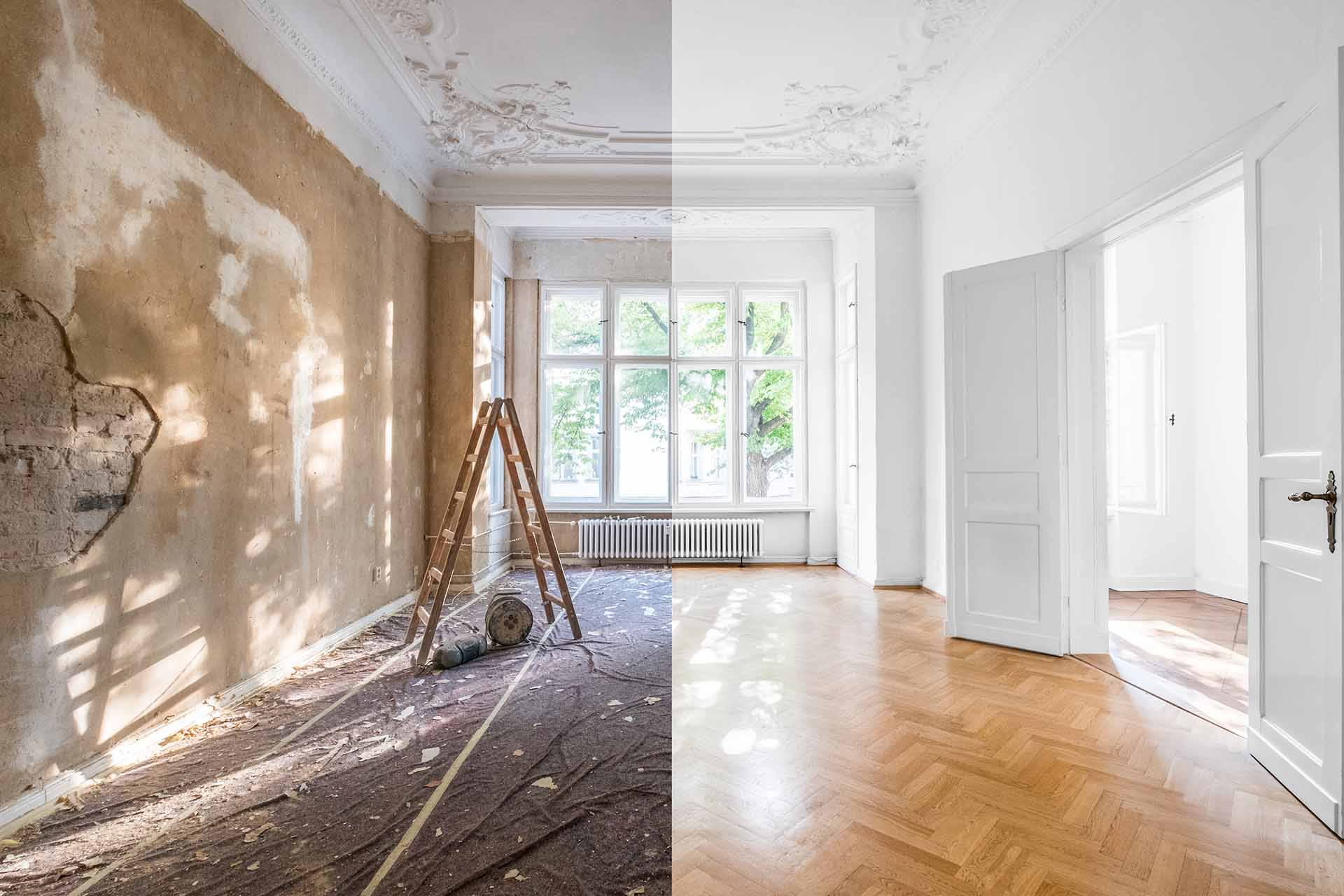
A fresh coat of paint can change the way a home looks and feels, but a successful painting project involves more than choosing a colour. The finish depends on the condition of the surfaces, the preparation beneath the paint, the products used, and the conditions during application. These details matter whether you are refreshing a single room, repainting an entire exterior, or preparing a property for sale.
In Sydney, location adds another consideration. A home near the coast faces salt air, moisture, and strong sun, while a leafy suburban property may have shaded walls that stay damp longer after rain. Understanding how your home is exposed helps you plan a paint job that looks good and holds up over time.
Start With the Reason You Are Painting
Before collecting colour samples or requesting quotes, decide what the project needs to achieve. Perhaps the existing paint is peeling, the exterior has faded, or the interior feels darker than you would like. You may want a durable finish for a busy family home or a neutral presentation ahead of a sale.
That purpose helps set priorities. If the exterior coating is failing, preparation and protection should take precedence over decorative details. If you are updating an interior, colour, sheen, and how the rooms connect may deserve more attention. A clear goal also makes it easier to explain the work to painters and compare their proposals.
Walk through the property and make a list of surfaces you want painted. Note visible problems such as cracks, stains, flaking paint, watermarks, or timber that feels soft. Include details that are easy to overlook, such as eaves, doors, window frames, skirting boards, and ceilings. This initial inspection does not replace a professional assessment, but it gives you a useful starting point.
Why Preparation Has Such a Big Impact
Paint needs a sound, clean surface to bond properly. Painting over dirt, loose coating, or unresolved moisture can leave you with a finish that fails sooner than expected. The new colour may look impressive at first, while the problems beneath it remain.
Preparation can involve washing, scraping loose paint, sanding rough edges, filling small gaps, and priming exposed areas. The exact work varies by surface. Weatherboards, rendered walls, masonry, metal railings, and interior plaster each have different needs. A previously painted wall in good condition may require relatively little repair, while a weathered exterior may need substantial attention before the first finish coat goes on.
Moisture deserves particular care. A stain on an interior wall, for example, could point to a leak or condensation problem. Covering it with paint will not fix the source. Likewise, exterior timber that has been repeatedly wet may need repair before it can be painted successfully. Taking time to address the cause protects both the paint job and the material underneath.
When reviewing a quote, ask what preparation is included. Two proposals may both say “exterior repaint” while allowing for very different amounts of washing, sanding, filling, and priming. The lowest figure is difficult to judge without understanding the work behind it.
Painting Homes Near the Coast
Coastal homes often need a close look before repainting. Salt deposits can collect on exterior surfaces, and exposure to wind, sun, and rain can vary sharply from one side of the house to another. A wall sheltered by a veranda may be in good shape while a seaward wall has faded or begun to peel.
Homeowners looking for house painters northern beaches should discuss these exposure differences during the inspection. Ask how the surfaces will be cleaned, whether any existing coating is failing, and which areas need special attention. The aim is to choose preparation and paint suited to the actual condition of the home, rather than applying the same approach to every wall.
Regular inspection also helps after the project is complete. Look at exposed joins, window frames, and areas where water may sit or run repeatedly. Catching a small patch of peeling paint or a failed seal early is usually easier than waiting until the surrounding surface deteriorates.
Consider Shade, Trees, and Drainage
Homes away from the immediate coast can face different challenges. Mature trees provide welcome shade, but they can also leave some walls damp for longer periods. Overhanging branches may drop leaves and debris into gutters, while garden beds or sprinklers can keep the base of a wall wetter than intended.
If you are comparing painters pymble homeowners use for exterior work, point out shaded walls and any areas where you have noticed mould, staining, or recurring peeling. These observations help the painter assess what cleaning or repairs may be needed. They can also reveal whether a drainage or maintenance issue should be addressed before repainting.
Trimming plants back from walls, clearing gutters, and checking where sprinklers reach can support the life of an exterior finish. Paint performs best when the surfaces around it are maintained as well.
Choosing Colours for the Whole Home
A colour that looks perfect on a small sample can feel very different across a large wall. Natural light changes throughout the day, and neighbouring colours affect what you see. A white may appear warm beside timber flooring but cooler next to grey tiles. An exterior neutral may look subtle in shade and much brighter in direct sun.
Start by looking at fixed features you are unlikely to change: roofing, brickwork, stone, flooring, cabinetry, and large window frames. Your paint colours do not need to match them exactly, but they should work together. For interiors, consider how one room looks from another. A consistent base palette can create a sense of flow, while a few deliberate variations give individual spaces character.
Test shortlisted colours on generous sample areas where possible. View them in morning light, afternoon light, and under the lighting you use at night. For exterior colours, check more than one side of the house. This takes longer than deciding from a colour card, but it can prevent an expensive change of mind after painting begins.
It also helps to decide where contrast will have the greatest effect. Doors, trims, or a single feature area can add definition without making the overall scheme feel busy. If resale is your main goal, think about broad appeal, but choose a result you can live with if your plans change.
The Right Finish for Each Surface
Colour gets most of the attention, yet sheen affects both appearance and upkeep. Lower-sheen finishes tend to soften the look of a wall and can make minor surface unevenness less obvious. Higher-sheen finishes generally reflect more light and may be chosen for areas that need frequent cleaning, although they can draw attention to imperfections.
The best choice depends on where the paint is going and how the space is used. A quiet bedroom has different demands from a hallway where bags and hands regularly brush against the walls. Kitchens, bathrooms, doors, and trim bring their own considerations. Discuss the desired look alongside practical needs instead of selecting sheen by habit.
Exterior surfaces also call for suitable products and a compatible coating system. The material, existing paint, exposure, and preparation all matter. A painter should be able to explain why a proposed product is appropriate for a particular part of your home in terms you understand.
What to Look for in a Painting Quote
A useful quote should make the scope of work clear. Check which rooms or exterior sections are included, which surfaces will receive paint, and whether ceilings, doors, trims, and small details are covered. Look for information about preparation, repairs, priming, the number of coats, and the products proposed.
Ask how unexpected issues will be handled. Once work begins, a painter may uncover damaged timber or a surface that needs more repair than was visible during the initial inspection. Knowing how additional work will be discussed and priced can prevent confusion later.
Timing matters too. Ask when the project can begin, roughly how long it should take, and what could affect the schedule. Exterior work depends on suitable weather and dry surfaces. Interior work may require rooms to be cleared in stages so that the household can continue functioning.
A quote is also an opportunity to see how well a painter communicates. Clear answers to straightforward questions can give you confidence that you and the contractor understand the same scope.
Preparing Your Home for the Work
A little planning before painting starts can make the project smoother. For interior work, move smaller belongings out of the area and ask which larger items the painting team expects you to move. Take down pictures and note where furniture, electronics, or fragile objects need extra care. If several rooms are being painted, agree on the order of work so you know which spaces will be available each day.
For exterior work, provide access to gates, power, and water if required. Move vehicles, outdoor furniture, and pot plants away from the work area where practical. Point out delicate landscaping and any areas where access could be difficult.
Confirm colour choices and the exact surfaces to be painted before work begins. It is easier to resolve a question about whether a door or fence is included at the start than after surrounding areas have been finished.
Looking After a New Paint Job
Fresh paint benefits from sensible care. Follow the painter’s guidance on when surfaces can be touched, cleaned, or put back into regular use. A wall may feel dry while the coating is still developing its full durability.
Over time, gentle cleaning and routine checks help preserve the finish. Remove marks using methods appropriate for the paint, and avoid aggressive scrubbing that could damage the surface. Outside, watch for blocked gutters, leaking pipes, garden growth against walls, and small gaps where water could enter. If a problem appears, investigate its cause before simply painting over it.
Keep a record of the colours and products used. Even a note of the product name, colour code, sheen, and painted area can make future touch-ups or renovations much easier.
A Better Result Begins Before Painting Day
House painting is an investment in how your home looks and how its surfaces are protected. The most important decisions often happen before a brush reaches the wall: identifying damage, understanding the home’s exposure, agreeing on preparation, and choosing a suitable finish.
Take time to inspect the property, test your colours, and review quotes closely. A well-planned project gives painters a clear brief and gives you a better chance of enjoying the result for years to come.
Frequently Asked Questions
How do I know whether my house needs repainting?
Look for fading, peeling, cracking, chalky residue, or areas where the coating no longer protects the surface. Interior walls may simply need refreshing because of marks or a change in style. Exterior paint that is failing should be assessed before moisture and weather cause more damage.
Should I repair cracks before painting?
Yes. The type and cause of a crack should be considered before it is filled or painted. Small cosmetic gaps and cracks may be straightforward to repair, while recurring or widening cracks may need further assessment.
Can I choose a colour from a small swatch?
A swatch is useful for narrowing your options, but a larger sample gives a better impression of the finished result. Check it in different lighting conditions and alongside the home’s existing materials.
Why do painting quotes vary so much?
Quotes may include different levels of preparation, repairs, products, access equipment, and detail work. Compare the written scope as well as the total price, and ask about anything that is unclear.
What should I do if paint keeps peeling in the same spot?
Find out why the area is failing before repainting it. Repeated peeling can indicate moisture, an unsuitable existing coating, or inadequate surface preparation. Fixing the underlying issue gives the next coat a better chance of lasting.