
Dealing with Behavior Health / Addiction is one of the most important challenges many individuals and families face today. It affects emotional well-being, physical health, relationships, and overall quality of life. Whether someone is struggling with substance use, mental health concerns, or unhealthy behavioral patterns, the right support system can make a life-changing difference. Recovery is possible, and with the right guidance, people can rebuild stability, confidence, and a healthier future.
Understanding Behavior Health / Addiction
Behavioral health focuses on the connection between mental health, habits, emotions, and daily actions. Addiction can develop when a person becomes dependent on substances such as alcohol, prescription medications, or drugs, or engages in compulsive behaviors that negatively affect life and responsibilities.
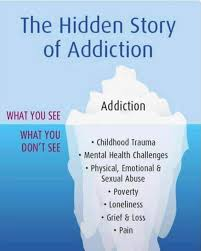
Addiction is not simply a lack of willpower. It is often linked to emotional pain, trauma, stress, genetics, or untreated mental health conditions. That is why successful treatment usually requires a complete approach rather than a quick fix.
Common Signs That Support May Be Needed
Recognizing the warning signs early can help prevent deeper problems later. Some common indicators include:
- Loss of control over substance use or behavior
- Mood swings, anxiety, or depression
- Withdrawing from family and friends
- Declining performance at work or school
- Financial problems caused by addiction
- Risky decisions or unsafe behavior
- Failed attempts to quit independently
When these signs begin to impact everyday life, seeking professional help becomes an important next step.
The Link Between Mental Health and Addiction
Many people experiencing addiction also struggle with mental health concerns such as anxiety, depression, PTSD, or unresolved trauma. This is often called co-occurring disorders. If one issue is treated while the other is ignored, long-term recovery becomes more difficult.
For example, someone may use alcohol to cope with anxiety, or rely on substances to numb emotional pain. Over time, this creates a cycle that becomes harder to break without structured support.
Treating both mental health and addiction together often leads to stronger outcomes and better long-term stability.
Treatment Options That Make a Difference
Every recovery journey is unique, which means treatment should be personalized. Common options include:
Detox Support
For those dependent on substances, medical detox may be the first step. This helps manage withdrawal symptoms safely under professional supervision.
Inpatient Rehabilitation
Residential treatment provides a structured environment where individuals can focus fully on healing without outside distractions.
Outpatient Programs
These programs allow individuals to receive therapy and support while continuing work, school, or family responsibilities.
Individual Counseling
One-on-one therapy helps uncover root causes, build coping skills, and create a recovery plan.
Group Therapy
Support groups create connection, accountability, and shared understanding among people facing similar struggles.
Family Therapy
Addiction often affects loved ones too. Family counseling helps repair trust, improve communication, and rebuild relationships.
Why Early Intervention Matters
The earlier someone seeks help, the easier it can be to prevent lasting damage. Addiction often worsens over time, impacting health, finances, legal standing, and emotional wellness.
Early treatment can help people:
- Restore healthier relationships
- Prevent severe health complications
- Improve job performance
- Rebuild confidence and self-worth
- Reduce relapse risk through structured care
Seeking help is not weakness—it is a strong and responsible decision.
Building a Long-Term Recovery Lifestyle
Recovery does not end after treatment. Maintaining progress often involves lifestyle changes and ongoing support. Successful long-term strategies include:
- Attending counseling or support meetings
- Avoiding triggers and unhealthy environments
- Developing healthy routines
- Practicing stress management techniques
- Building a supportive social circle
- Setting realistic goals for growth
Recovery is often built one day at a time through consistent positive choices.
How Families Can Help
Families play a major role in recovery. Supportive loved ones can encourage treatment, celebrate progress, and create a stable environment. At the same time, boundaries are important to avoid enabling destructive behavior.
Helpful family actions include:
- Encouraging professional treatment
- Learning about addiction and recovery
- Communicating with empathy
- Supporting healthy accountability
- Participating in family therapy when needed
Compassion combined with boundaries often creates the strongest support system.
Final Thoughts
Behavior Health / Addiction can feel overwhelming, but healing is always possible with the right support and treatment plan. Many people have successfully rebuilt their lives, repaired relationships, and created healthier futures after addiction.
The first step may be difficult, but it is often the most powerful. Whether help is needed for yourself or someone you care about, reaching out today can begin the journey toward recovery, stability, and lasting wellness.