
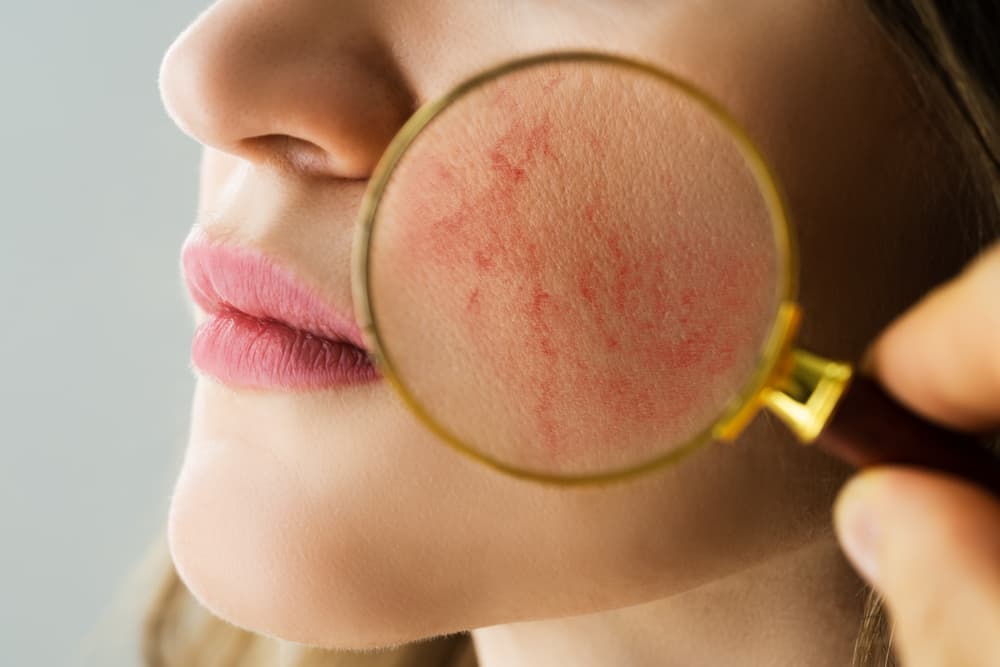
Facial redness is a common skin concern that can affect people of all ages. Sometimes it appears temporarily after exercise, heat, spicy foods, or emotional stress. In other cases, persistent redness may be linked to an underlying skin condition.
Understanding why facial redness develops is an important first step toward choosing an appropriate treatment. Depending on the cause, gentle skincare, trigger management, prescription treatments, or other dermatological approaches may help reduce its appearance.
One prescription option that may be considered for certain types of persistent facial redness is brimonidine gel.
What Causes Facial Redness?
Facial redness can have many different causes. Blood vessels near the skin’s surface can widen, making the skin appear red or flushed.
Common triggers include:
- Heat
- Sun exposure
- Exercise
- Emotional stress
- Spicy foods
- Hot drinks
- Alcohol
- Certain skincare products
Persistent redness may also be associated with conditions such as rosacea, irritation, allergies, or other dermatological problems.
Because the causes vary, treatment should be based on the underlying issue.
Temporary vs. Persistent Redness
Temporary facial flushing is usually short-lived. It may happen after physical activity or exposure to heat and then gradually disappear.
Persistent redness is different. It may remain visible for long periods or return frequently.
People with ongoing redness may also experience other symptoms, such as burning, stinging, visible blood vessels, bumps, or skin sensitivity.
If redness continues without an obvious explanation, a dermatologist can help determine the likely cause.
What Is Rosacea?
Rosacea is a common inflammatory skin condition that often affects the central face. It can cause persistent redness, flushing, visible blood vessels, and sometimes acne-like bumps.
Symptoms can vary from person to person.
Common areas affected include:
- Cheeks
- Nose
- Chin
- Forehead
Rosacea may also affect the eyes in some people.
Although there is no single cure for rosacea, treatments can help control symptoms and reduce visible redness.
How Can Brimonidine Help?
Brimonidine is a medication that can reduce facial redness associated with rosacea. It works by narrowing certain blood vessels in the skin.
When these superficial blood vessels become narrower, less blood flows through them, which can temporarily reduce visible redness.
For people researching brimonidine gel for visible facial redness, it is important to understand that the medicine is intended for specific conditions and should be used according to professional instructions.
How Long Does Brimonidine Work?
Brimonidine gel is designed to provide temporary reduction in facial redness.
Some people may notice an effect relatively soon after application. The duration and degree of improvement can vary.
It does not permanently remove the underlying tendency toward redness. Instead, it can help manage the visible symptom during the period when it is active.
Can Redness Return After Treatment?
Yes. Facial redness can return after the effect of treatment wears off or when a person encounters a trigger.
This does not necessarily mean the treatment has failed.
Rosacea and other causes of persistent redness often require ongoing management rather than a one-time treatment.
Identifying personal triggers can help reduce episodes of flushing.
Common Triggers to Watch
Different people have different triggers. Common examples include:
- Strong sunlight
- Hot weather
- Very hot showers
- Spicy foods
- Alcohol
- Emotional stress
- Strenuous exercise
- Sudden temperature changes
Keeping a simple record of flare-ups may help identify patterns.
Skincare for Redness-Prone Skin
People with facial redness often have sensitive skin. A gentle skincare routine can help reduce unnecessary irritation.
Helpful habits include:
- Use a mild, fragrance-free cleanser.
- Avoid harsh scrubs.
- Apply a gentle moisturizer.
- Avoid products that sting or burn.
- Use sunscreen regularly.
- Introduce new products gradually.
Over-exfoliating can damage the skin barrier and make redness more noticeable.
Why Sun Protection Matters
Sun exposure can trigger flushing and worsen redness in people with rosacea.
Daily broad-spectrum sunscreen can help protect the skin from ultraviolet radiation.
People with sensitive skin may prefer products formulated for sensitive or redness-prone skin. Physical shade, hats, and avoiding intense midday sunlight can provide additional protection.
Possible Side Effects of Brimonidine
Like other medications, brimonidine can cause side effects.
Some people may experience:
- Skin irritation
- Redness
- Burning or stinging
- Dryness
- Itching
In some cases, redness may become more noticeable after the initial improvement wears off.
Patients should follow the prescribed amount and application instructions. Using more product does not necessarily produce better results.
How Should Brimonidine Be Used?
Brimonidine gel should be used exactly as directed by a healthcare professional or according to the approved product instructions.
Patients should avoid applying it to irritated or damaged skin unless specifically instructed.
It is also important to wash hands after application and avoid getting the medicine into the eyes or mouth.
If severe irritation or an unusual reaction occurs, contact a healthcare professional.
Can Brimonidine Treat All Facial Redness?
No. Brimonidine is designed to address certain types of persistent facial redness, particularly redness associated with rosacea.
It will not necessarily treat redness caused by every skin condition.
For example, redness caused by an infection, allergic reaction, sunburn, or another inflammatory condition may require a completely different treatment.
A correct diagnosis is therefore important.
Other Treatments for Persistent Redness
Depending on the underlying cause, healthcare professionals may recommend other treatments alongside or instead of brimonidine.
These may include:
- Other topical medications
- Oral medications
- Trigger avoidance
- Gentle skincare
- Laser or light-based procedures
- Treatment for associated bumps or inflammation
A dermatologist can determine which approach is most appropriate.
When Should You See a Dermatologist?
Consider professional evaluation if facial redness:
- Persists for weeks or months
- Frequently returns
- Causes burning or discomfort
- Is accompanied by bumps or visible blood vessels
- Affects the eyes
- Suddenly becomes severe
- Does not improve with basic skincare
A dermatologist can distinguish rosacea from other conditions that may look similar.
Frequently Asked Questions
What causes persistent facial redness?
Persistent redness can be associated with rosacea, sensitive skin, irritation, sun exposure, allergies, and other dermatological conditions.
Does brimonidine permanently remove facial redness?
No. Brimonidine temporarily reduces visible redness by narrowing certain blood vessels. The effect wears off over time.
Is brimonidine used for rosacea?
Yes. Brimonidine gel may be prescribed to reduce persistent facial erythema associated with rosacea.
Can skincare reduce facial redness?
Gentle skincare can help minimize irritation and support the skin barrier. However, persistent redness may require medical treatment.
Can sunlight make facial redness worse?
Yes. Sun exposure can trigger or worsen redness, particularly in people with rosacea. Regular sun protection is therefore important.
Should I use brimonidine without medical advice?
It is best to use prescription brimonidine according to professional guidance. Persistent facial redness should be evaluated to determine its cause and the most appropriate treatment.
Conclusion
Facial redness can result from temporary triggers, sensitive skin, rosacea, or other underlying conditions. While occasional flushing is often harmless, persistent redness may require a more targeted approach.
Brimonidine works by temporarily narrowing certain blood vessels in the skin and may reduce visible facial redness associated with rosacea. It is not a universal treatment for every cause of redness.
If you are considering brimonidine gel for visible facial redness, discuss your symptoms with a qualified healthcare professional. Combining appropriate treatment with gentle skincare, sun protection, and trigger management can help many people better manage redness-prone skin.