
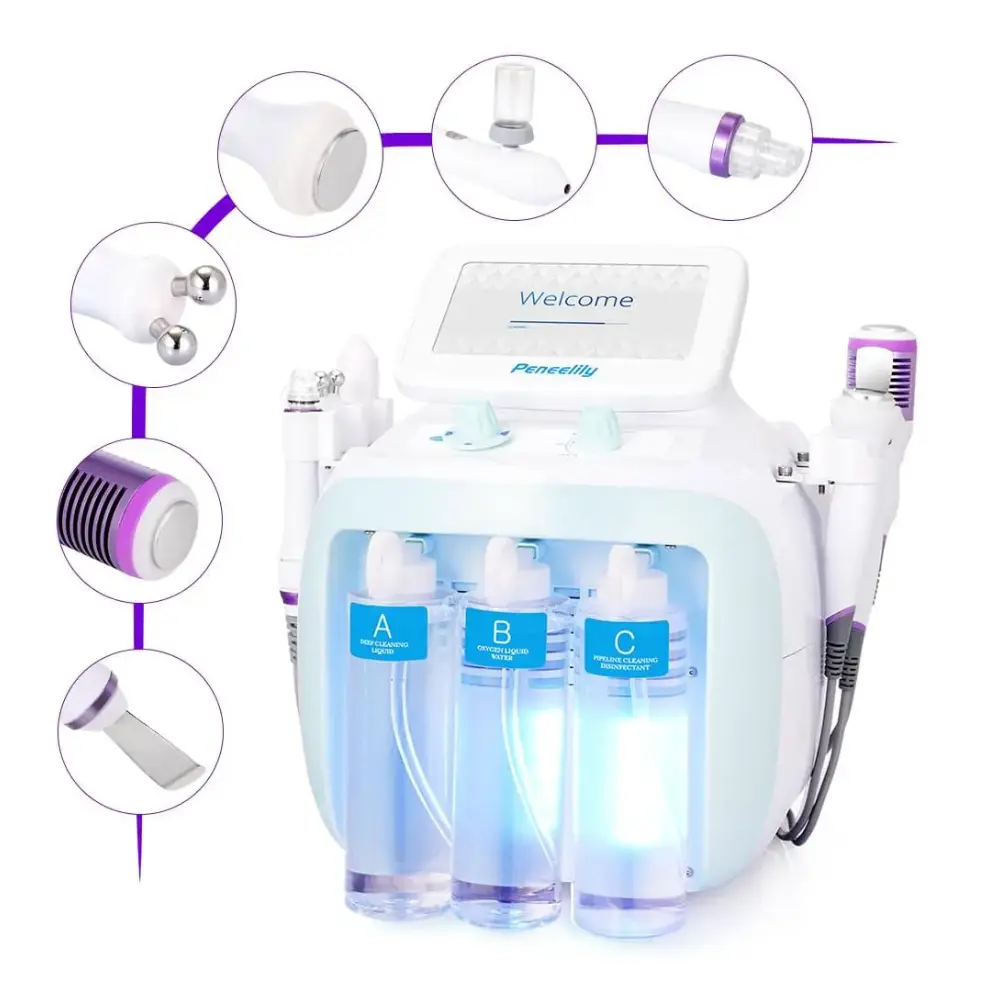
Healthy, radiant skin is a goal shared by many people, and advances in skincare technology have made professional facial treatments more effective than ever. Among the most popular innovations is the hydrafacial treatment, which combines cleansing, exfoliation, extraction, hydration, and nourishment into a single procedure. Unlike traditional facials that often rely on manual techniques, hydrafacial systems use advanced technology to provide consistent and gentle results for various skin types.
Whether used in beauty clinics or professional skincare environments, hydrafacial devices have become a preferred option because they deliver multiple treatment steps with minimal discomfort. These machines are designed to improve the appearance of the skin while supporting overall skin health through a non-invasive approach.
Hydrafacial machine technology has become increasingly popular because it combines several essential skincare functions into one comprehensive treatment, making facial procedures more efficient while maintaining a comfortable experience for clients.
What Is a hydrafacial Machine?
A hydrafacial machine is a professional skincare device designed to cleanse, exfoliate, extract impurities, and hydrate the skin using specialized handpieces and liquid-based technology. Rather than relying solely on abrasive methods, these systems use controlled suction combined with nourishing solutions to remove dead skin cells and deliver beneficial ingredients into the skin.
Many professional devices combine several treatment technologies into one platform, allowing practitioners to customize procedures according to individual skin concerns.
Typical treatment functions may include:
- Deep cleansing
- Gentle exfoliation
- Vacuum extraction
- Serum infusion
- Skin hydration
- Oxygen-based treatments
- Microdermabrasion
- Cooling or soothing therapy
The combination of these functions makes hydrafacial systems suitable for a wide variety of skincare goals.
How hydrafacial Technology Works
hydrafacial treatments generally follow a multi-step process that addresses different aspects of skin health.
Step 1: Cleansing
The treatment begins by removing makeup residue, excess oil, sunscreen, and environmental debris from the skin’s surface. A clean surface allows later treatment steps to work more effectively.
Professional cleansing also helps reduce the buildup of impurities that may contribute to dull skin.
Step 2: Exfoliation
Exfoliation removes accumulated dead skin cells that naturally collect on the outer layer of the skin.
Gentle exfoliation can help:
- Improve skin texture
- Brighten dull complexions
- Support natural skin renewal
- Prepare the skin for hydration
Unlike harsh manual scrubs, hydro-based exfoliation is generally more controlled and suitable for sensitive skin.
Step 3: Extraction
One of the most recognized features of hydrafacial technology is vacuum-assisted extraction.
Instead of squeezing pores manually, controlled suction helps remove:
- Blackheads
- Whiteheads
- Excess sebum
- Surface debris
This approach may reduce discomfort while improving treatment consistency.
Step 4: Hydration
Once impurities have been removed, moisturizing serums are delivered into the skin.
Hydration is important because healthy moisture levels help support:
- Skin softness
- Smooth texture
- Improved elasticity
- A refreshed appearance
Different serums may be selected depending on individual skincare goals.
Major Benefits of hydrafacial Treatments
hydrafacial procedures offer several advantages that have contributed to their popularity.
Gentle on Most Skin Types
Unlike some aggressive resurfacing treatments, hydrafacial procedures are generally considered gentle.
Many people with:
- Dry skin
- Oily skin
- Combination skin
- Sensitive skin
may tolerate hydrafacial treatments well when performed appropriately.
Improved Skin Hydration
Hydrated skin often appears healthier and smoother.
Because hydration is integrated directly into the treatment process, many individuals notice immediate improvements in skin softness after a session.
Proper hydration also helps support the skin’s natural protective barrier.
Better Skin Texture
Regular exfoliation and cleansing can gradually improve uneven skin texture.
Many individuals seek hydrafacial treatments to address concerns such as:
- Rough skin
- Mild congestion
- Dull appearance
- Dry patches
Consistent professional care may help maintain smoother skin over time.
Cleaner Pores
Excess oil and debris can contribute to clogged pores.
Vacuum-assisted extraction helps remove accumulated impurities without relying on aggressive manual pressure.
Cleaner pores may also improve the appearance of enlarged pores.
Brighter Complexion
Removing dead skin cells allows fresher skin underneath to become more visible.
This often contributes to:
- Improved brightness
- More even-looking skin
- Healthier overall appearance
While results vary, many people notice a refreshed complexion after treatment.
Common Skin Concerns Addressed
hydrafacial treatments are commonly used as part of skincare routines for concerns including:
- Mild acne congestion
- Oily skin
- Dry skin
- Uneven texture
- Dehydration
- Fine surface lines
- Dull complexion
- Enlarged pores
Treatment suitability should always be determined by a qualified skincare professional.
Components Found in Professional hydrafacial Systems
Modern professional equipment often combines several technologies into one unit.
Vacuum Suction System
Vacuum suction assists with extraction by lifting impurities from pores while maintaining controlled pressure.
Different suction settings allow treatments to be adjusted according to skin sensitivity.
Serum Infusion Technology
Specialized handpieces deliver hydrating or nourishing solutions evenly across the skin.
This step supports moisture retention and overall skin comfort.
Diamond Microdermabrasion
Some systems include diamond-tip microdermabrasion.
This technology provides controlled mechanical exfoliation to improve surface smoothness without using loose crystals.
Spray Function
Professional facial devices may also include spray systems for applying refreshing toners or hydrating solutions after exfoliation.
These sprays can help soothe the skin while restoring moisture.
Who May Benefit from hydrafacial Treatments?
Many adults include hydrafacial sessions within their professional skincare routine.
Potential candidates include individuals seeking:
- Regular facial maintenance
- Deep cleansing
- Improved hydration
- Brighter skin
- Gentle exfoliation
Those with active skin infections, severe inflammatory skin conditions, or recent cosmetic procedures should consult a qualified healthcare or skincare professional before treatment.
Importance of Proper Aftercare
Although hydrafacial treatments require little downtime, aftercare remains important.
Recommended aftercare often includes:
- Applying sunscreen daily
- Avoiding excessive sun exposure
- Using gentle skincare products
- Drinking adequate water
- Avoiding harsh exfoliants for several days
These practices help maintain treatment results while supporting skin recovery.
Choosing Professional hydrafacial Equipment
When selecting professional skincare equipment, several factors deserve consideration.
Multiple Treatment Functions
Machines that combine several technologies can provide greater treatment flexibility.
Integrated systems often reduce the need for multiple standalone devices.
Adjustable Settings
Professional devices should allow practitioners to customize treatment intensity for different skin types and treatment goals.
Ease of Maintenance
Equipment that is easy to clean and maintain supports hygiene standards and consistent performance.
Build Quality
Reliable construction contributes to long-term durability and dependable operation in professional environments.
hydrafacial Treatments Compared with Traditional Facials
Although both treatments aim to improve skin health, their methods differ.
| Traditional Facial | hydrafacial Treatment |
| Mostly manual techniques | Technology-assisted procedures |
| Manual extraction | Vacuum-assisted extraction |
| Standard cleansing | Multi-step cleansing system |
| Limited hydration delivery | Integrated serum infusion |
| Variable pressure | Controlled treatment settings |
Each approach has value, and the best option depends on individual skincare needs.
The Growing Popularity of hydrafacial Technology
As demand for non-invasive skincare continues to increase, hydrafacial treatments have become a common part of professional facial services.
Their appeal comes from combining multiple treatment steps into one session while maintaining comfort and efficiency. Many skincare professionals appreciate the ability to customize treatments according to each client’s skin condition rather than relying on a one-size-fits-all approach.
Continued advances in skincare technology are expected to further improve treatment precision, hygiene, and patient comfort in the years ahead.
Conclusion
hydrafacial technology represents a modern approach to professional skincare by combining cleansing, exfoliation, extraction, hydration, and nourishment into one streamlined treatment. Its gentle, customizable process makes it suitable for addressing a variety of common skin concerns while supporting healthier-looking skin with minimal downtime. As skincare technology continues to evolve, these systems are likely to remain an important part of professional facial treatments for individuals seeking consistent and effective skin maintenance.
For professionals researching advanced facial equipment, understanding the capabilities of a hydrafacial machine can help them evaluate features that align with different treatment goals and client needs.
FAQs
1. How often should someone get a hydrafacial treatment?
Many skincare professionals recommend hydrafacial treatments every four to six weeks, depending on individual skin type and skincare goals. Regular sessions may help maintain hydration, improve skin texture, and support ongoing skin renewal while complementing a consistent home skincare routine.
2. Is a hydrafacial suitable for sensitive skin?
Hydrafacial treatments are generally considered gentle because they use controlled suction and hydrating solutions rather than aggressive exfoliation. However, treatment intensity should always be adjusted according to individual skin sensitivity, and professional assessment is recommended before beginning any facial procedure.
3. Does a hydrafacial treatment involve downtime?
Most people experience little to no downtime following a hydrafacial treatment. Mild redness may occur temporarily but usually resolves quickly. Many individuals return to normal daily activities immediately while following recommended aftercare such as sun protection and gentle skincare products.
4. Can hydrafacial treatments help improve oily skin?
Hydrafacial procedures can assist in managing oily skin by cleansing pores, removing excess sebum, and exfoliating dead skin cells. While they are not a cure for oily skin, regular professional treatments may help improve overall skin cleanliness and reduce congestion.
5. What features are commonly included in professional hydrafacial systems?
Professional hydrafacial systems often include vacuum extraction, serum infusion, exfoliation technology, spray functions, and hydration capabilities. Some advanced models also incorporate diamond microdermabrasion or oxygen-based treatments, allowing practitioners to customize procedures according to different skin concerns and treatment objectives.