
Fertility can be a deeply personal journey. For some people, the process involves medical treatment, lifestyle changes, emotional support, or complementary therapies. Acupuncture is one option that many people explore as part of a broader approach to reproductive wellbeing.
Traditional acupuncture has been used for centuries. Modern practitioners may use acupuncture alongside conventional healthcare to support relaxation, general wellbeing, and the management of certain symptoms. When considering any fertility-related treatment, it is important to understand what acupuncture can and cannot do.
Melbourne has a wide range of complementary health practitioners. This makes it easier for people to find an approach that fits their individual needs and preferences. Whether someone is exploring acupuncture for general wellbeing or looking specifically at fertility support, choosing an appropriately qualified practitioner is an important first step.
What Is Acupuncture?
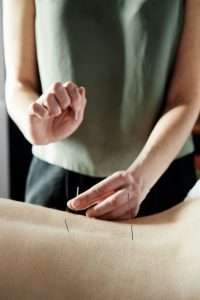
Acupuncture is a traditional therapy that involves inserting very fine needles into specific points on the body. Practitioners use different acupuncture techniques depending on the person’s concerns, overall health, and treatment goals.
Traditional Chinese Medicine views the body through a system involving concepts such as qi and meridians. Modern explanations often focus on the way acupuncture may influence the nervous system, muscle activity, pain perception, and relaxation.
Treatments are generally designed around the individual rather than a single standard procedure. A practitioner may ask about sleep, stress, digestion, menstrual patterns, lifestyle, and other aspects of wellbeing before developing a treatment plan.
Acupuncture is commonly used for concerns such as muscle tension, pain, stress, and general wellbeing. Some people also seek it as complementary support during fertility treatment.
Why Do People Consider Acupuncture for Fertility?
Fertility involves many biological and lifestyle factors. Age, reproductive health, sperm quality, ovulation, hormonal conditions, and other medical factors can all influence the ability to conceive.
Some people explore acupuncture because they want an additional wellbeing practice during their fertility journey. The treatment may provide an opportunity to focus on relaxation and self-care during what can be a stressful period.
It is important to maintain realistic expectations. Acupuncture should not be presented as a guaranteed fertility treatment or a replacement for medical assessment.
Instead, some people use complementary therapies as part of a wider plan that includes appropriate medical care, healthy lifestyle choices, and emotional support.
Exploring Acupuncture Balwyn
People living in Melbourne’s eastern suburbs may look for local practitioners when considering acupuncture. Searching for Acupuncture Balwyn can be a practical starting point for people who want treatment close to home.
Location can matter more than people initially expect. Fertility-related care may involve regular appointments, particularly when someone wants ongoing support. Having a practitioner within reasonable travelling distance can make appointments easier to maintain.
When comparing practitioners, consider their qualifications, experience, treatment approach, and communication style. It is also worth asking whether they regularly work with people seeking fertility-related complementary care.
A good practitioner should be willing to explain the treatment process clearly. They should also understand the importance of working alongside other healthcare professionals when appropriate.
What Is Fertility Acupuncture?
Fertility acupuncture generally refers to acupuncture used as complementary support for people who are trying to conceive or undergoing fertility treatment.
Practitioners may tailor sessions around different stages of a person’s reproductive journey. Treatment plans can vary significantly because fertility concerns are not identical for everyone.
Some people may seek acupuncture while trying to conceive naturally. Others may explore it while undergoing assisted reproductive treatment.
The goals can also differ. One person may primarily want help with relaxation and stress management. Another may be interested in acupuncture as part of a broader complementary health routine.
Because fertility is medically complex, treatment should always be individualised.
Acupuncture and the Menstrual Cycle
Some acupuncture practitioners structure treatment around the menstrual cycle. The cycle has several stages, and hormonal changes occur throughout each stage.
A practitioner may ask questions about cycle length, regularity, symptoms, and other reproductive health details during an initial consultation.
However, menstrual changes can sometimes indicate an underlying medical issue. Irregular periods, unusually heavy bleeding, significant pain, or sudden changes should be discussed with an appropriate healthcare professional.
Acupuncture should not delay investigation of potentially important symptoms.
For people who receive medical fertility care, communication between healthcare providers can help ensure that complementary treatment fits appropriately into their overall care plan.
Fertility Acupuncture Melbourne: What Should You Look For?
People searching for fertility acupuncture Melbourne may encounter many different practitioners and treatment styles. Choosing the right practitioner requires more than simply comparing appointment prices.
Start by checking professional qualifications and registration where applicable. Ask about experience with fertility-related clients and the practitioner’s approach to working alongside medical fertility services.
It can also help to ask practical questions before booking.
For example, you might ask how long an initial appointment lasts, what happens during the first consultation, and whether the practitioner develops an individual treatment plan.
A trustworthy practitioner should not promise pregnancy or claim that acupuncture can overcome every fertility problem.
Clear communication is particularly important when complementary treatment is being used alongside medications or assisted reproductive procedures.
What Happens During an Acupuncture Appointment?
A first appointment usually begins with a discussion about the person’s health and treatment goals.
The practitioner may ask about lifestyle, sleep, stress, menstrual history, medications, previous treatments, and general wellbeing. This information helps them understand the person’s situation.
The practitioner may then explain which acupuncture points they intend to use.
During treatment, the patient usually lies or sits comfortably while very thin needles are inserted into selected points. The needles are typically left in place for a period of time.
Some people experience a mild sensation when needles are inserted. Others report feeling relaxed during the session.
The experience can vary between individuals. A qualified practitioner should explain what to expect and encourage the patient to mention any discomfort.
Is Acupuncture Painful?
Acupuncture needles are much thinner than many people expect. Their insertion may cause a brief sensation, although experiences differ.
Some people feel a tiny prick. Others notice pressure, warmth, tingling, or a heavy sensation around a treatment point.
If treatment feels uncomfortable, the patient should tell the practitioner immediately. Adjustments can often be made to improve comfort.
People who are nervous about needles can discuss their concerns during the initial consultation. An experienced practitioner can explain each stage before treatment begins.
Creating a comfortable environment can be especially valuable when someone is already dealing with the emotional pressures associated with fertility.
The Role of Stress During the Fertility Journey
Trying to conceive can be emotionally demanding. Waiting for results, attending appointments, managing treatment schedules, and dealing with uncertainty can all contribute to stress.
Stress does not mean that someone is responsible for their fertility difficulties. Fertility problems have many possible causes, and telling someone to simply “relax” can be unhelpful.
However, finding healthy ways to manage stress can still improve overall wellbeing.
Some people use acupuncture as part of their relaxation routine. Others prefer exercise, meditation, counselling, breathing exercises, massage, social activities, or other approaches.
The most useful strategy is usually one that feels practical and sustainable.
Acupuncture as Complementary Care
The word “complementary” is important when discussing acupuncture and fertility.
Complementary care is intended to sit alongside conventional healthcare rather than replace it. Fertility concerns can require medical assessment, testing, medication, surgery, or assisted reproductive treatment depending on the circumstances.
Acupuncture may be considered one component of a broader wellbeing plan.
This approach helps keep expectations realistic. It also encourages people to seek appropriate medical advice when needed.
If someone has been trying to conceive without success, discussing the situation with a qualified medical professional can help identify whether fertility assessment is appropriate.
Understanding Fertility Treatment in Melbourne
Melbourne has a broad healthcare system that includes general practitioners, fertility specialists, reproductive endocrinologists, nurses, counsellors, and complementary health practitioners.
People may encounter several treatment pathways depending on their individual circumstances.
Some couples and individuals begin with lifestyle adjustments and medical assessment. Others may eventually consider treatments such as ovulation induction, intrauterine insemination, or in vitro fertilisation.
Acupuncture may be used alongside some of these pathways by people who want complementary support.
Anyone considering acupuncture during fertility treatment should inform their medical team. This is particularly important when medications or procedures are involved.
Can Acupuncture Improve Fertility?
This is one of the most important questions people ask.
Research into acupuncture and fertility has produced mixed findings. Some studies have investigated possible effects on stress, wellbeing, pain, and reproductive treatment outcomes. Evidence does not establish acupuncture as a guaranteed way to increase the chance of pregnancy.
This distinction matters.
A responsible practitioner should avoid guaranteeing results. Fertility is influenced by many factors, and no complementary therapy can promise a particular outcome.
People considering acupuncture should therefore view it as a supportive option rather than a guaranteed solution.
Acupuncture and IVF
Some people undergoing IVF consider acupuncture as part of their broader support plan.
IVF can involve multiple appointments, medications, procedures, and periods of waiting. The experience can be physically and emotionally demanding.
Some patients report that acupuncture helps them feel more relaxed during treatment. However, people should distinguish personal experiences from evidence about pregnancy or live birth outcomes.
Anyone undergoing IVF should discuss complementary treatments with their fertility team. The timing of acupuncture sessions may need to be considered alongside medical procedures and medications.
Communication helps reduce confusion and ensures that everyone involved understands the overall treatment plan.
Lifestyle Factors That Support Reproductive Health
Acupuncture is only one part of a broader conversation about wellbeing.
Nutrition, physical activity, sleep, alcohol consumption, smoking, stress, and general health can all be relevant to reproductive health.
People trying to conceive may benefit from discussing lifestyle factors with a qualified healthcare professional.
Rather than making extreme changes, sustainable habits are often easier to maintain.
Regular movement, balanced meals, adequate sleep, and appropriate medical care can all contribute to general health.
Individual recommendations vary, particularly when someone has an existing health concern or is undergoing fertility treatment.
Choosing a Qualified Acupuncture Practitioner
Choosing a practitioner carefully is essential.
Start by checking relevant professional credentials and registration. In Australia, patients can also ask practitioners about their training and professional experience.
Experience matters, but so does communication.
A practitioner should be willing to explain their treatment methods without making unrealistic promises. They should also respect conventional medical care and encourage appropriate medical assessment when necessary.
Other practical considerations include:
- Clinic location
- Appointment availability
- Treatment costs
- Initial consultation length
- Practitioner experience
- Hygiene practices
- Communication style
- Experience with fertility-related clients
Taking time to compare options can make the process more comfortable.
Questions to Ask Before Your First Appointment
Preparing questions can help you make an informed decision.
You could ask:
What qualifications do you have?
Understanding a practitioner’s training can help establish whether they are appropriately qualified.
Do you work with fertility clients?
Experience with similar clients may be useful, especially if you are undergoing assisted reproductive treatment.
How do you coordinate with medical care?
A good practitioner should understand that acupuncture may be complementary to medical fertility treatment.
What happens during the first appointment?
Knowing what to expect can reduce anxiety.
How frequently would you recommend appointments?
Treatment schedules vary. A practitioner should explain their reasoning rather than automatically recommending a large number of sessions.
What results should I realistically expect?
This is particularly important. Responsible practitioners should communicate uncertainty and avoid guarantees.
Safety and Acupuncture
Acupuncture is generally considered safe when performed by appropriately trained practitioners using sterile, single-use needles.
Minor effects can occur. These may include temporary soreness, small amounts of bleeding, bruising, or light-headedness.
More serious complications are uncommon but can occur, particularly when treatment is performed incorrectly.
People should disclose relevant health information to their practitioner. This can include medications, pregnancy status, bleeding disorders, implanted medical devices, and other important circumstances.
If you are undergoing fertility treatment, tell both your medical team and acupuncture practitioner about relevant treatments.
Acupuncture During Pregnancy
Pregnancy changes the considerations surrounding acupuncture.
Some pregnant people seek acupuncture for various symptoms, but treatment during pregnancy should only be provided by an appropriately trained practitioner who understands pregnancy-related considerations.
Pregnant patients should tell the practitioner that they are pregnant before treatment begins.
Any concerning pregnancy symptoms should be assessed by an appropriate maternity or medical professional rather than treated solely through complementary therapy.
The Importance of Individualised Treatment
There is no single fertility experience.
One person may have regular cycles but experience unexplained infertility. Another may have a diagnosed reproductive condition. Someone else may be undergoing IVF after several previous attempts.
These situations require different approaches.
An individualised consultation allows the practitioner to understand the person’s goals and circumstances.
It also prevents overly generic treatment plans.
The best complementary care should recognise the person rather than focusing only on a single symptom.
Emotional Support Matters Too
Fertility treatment can affect more than physical health.
People may experience frustration, disappointment, anxiety, grief, relationship pressure, or uncertainty. These emotions can be difficult to manage, particularly when treatment takes longer than expected.
Professional counselling can be valuable for people who need additional emotional support.
Friends and family can also provide important encouragement, although not everyone feels comfortable discussing fertility openly.
Self-care should not be viewed as an unnecessary luxury. Taking time away from appointments and treatment discussions can help create a healthier balance.
Making Acupuncture Part of a Personal Wellness Plan
For people interested in acupuncture, the most sensible approach is to consider how it fits into their wider routine.
Instead of viewing acupuncture as a single solution, think about it as one possible component of personal wellbeing.
A balanced plan might include appropriate medical care, healthy lifestyle habits, emotional support, regular appointments when desired, and realistic expectations.
This approach can make complementary treatment more useful and less stressful.
It also reduces the risk of putting unrealistic pressure on one particular therapy.
When to Seek Medical Fertility Advice
Anyone concerned about fertility should consider speaking with a qualified healthcare professional.
Medical advice is particularly important when there are irregular menstrual cycles, severe pelvic pain, known reproductive conditions, previous reproductive surgery, repeated pregnancy loss, or other concerning symptoms.
Age and reproductive history can also influence when fertility assessment may be appropriate.
A GP or fertility specialist can provide personalised advice based on individual circumstances.
Acupuncture should never be used as a reason to postpone necessary medical assessment.
How to Combine Conventional and Complementary Care
The strongest approach for many people is coordinated care.
Medical professionals can investigate fertility factors and provide evidence-based treatment options. Complementary practitioners can focus on their specific area of care, such as acupuncture and general wellbeing.
Keeping everyone informed helps avoid misunderstandings.
Patients can make this easier by maintaining a list of medications, supplements, procedures, appointments, and treatments.
Open communication is especially important when fertility medications or assisted reproductive procedures are involved.
Finding the Right Approach for You
There is no universal fertility journey.
What works well for one person may not be appropriate for another. Some people enjoy acupuncture and find the appointments relaxing. Others may prefer different forms of support.
The goal should be to choose care that is safe, realistic, and consistent with your personal circumstances.
If you are considering local treatment, exploring options for Acupuncture Balwyn may help you identify practitioners who are convenient to access. Those seeking specialised complementary support can also research fertility acupuncture Melbourne services and compare their qualifications, experience, and treatment philosophy.
Take time to ask questions before committing to a treatment plan.
Final Thoughts
Acupuncture can be an appealing complementary option for people looking for relaxation, wellbeing support, or additional care during their fertility journey. Its role should be understood realistically.
It is not a guaranteed fertility treatment and should not replace appropriate medical assessment or fertility care.
For people considering acupuncture, the most important factors include choosing a qualified practitioner, discussing relevant health information, maintaining communication with medical professionals, and having realistic expectations.
Whether you are exploring Acupuncture Balwyn for general wellbeing or looking into fertility acupuncture Melbourne as part of a broader reproductive health plan, informed decision-making can help you choose an approach that feels appropriate for your circumstances.
Ultimately, fertility care is highly individual. A balanced plan that combines professional medical guidance, healthy lifestyle habits, emotional support, and carefully considered complementary therapies can help people navigate the journey with greater confidence and clarity.