
Introduction
Ultra-premium Japanese sake represents the pinnacle of brewing craftsmanship, combining tradition, precision, and artistry in every bottle. Among these highly refined beverages, certain sakes achieve a level of smoothness and elegance that distinguishes them from standard offerings. This exceptional quality is often linked to the extreme degree of rice polishing, which removes the outer layers of the grain to reveal the starchy core. The result is a sake with delicate aroma, nuanced flavor, and a refined mouthfeel that appeals to seasoned enthusiasts and collectors alike.
One of the most notable examples of ultra-premium sake is a selection where only 23 percent of the rice grain remains. This level of polishing is rare and labor-intensive, requiring meticulous attention at every stage of production. Sake produced in this manner offers a smoothness and clarity that is unmatched, reflecting both the skill of the brewers and the quality of the ingredients. Its refined characteristics have gained recognition internationally, attracting the interest of Canadian connoisseurs who value premium Japanese beverages for tasting, gifting, and collecting.
This article explores the intricate world of ultra-premium sake, highlighting its production, flavor profile, and cultural significance. Readers will gain insights into the science behind 23 percent polished rice, ideal serving techniques, and food pairings that enhance the experience. Additionally, guidance on sourcing, collecting, and appreciating these exceptional beverages is provided. By the end of this guide, Canadian buyers will be equipped with the knowledge to enjoy ultra-premium sake responsibly while understanding the artistry behind each bottle.
What Ultra-Premium Sake Means
Ultra-premium sake refers to the highest grade of sake, defined by its meticulous production methods and exceptional quality. Unlike standard varieties, these sakes undergo a high degree of rice polishing, precise fermentation, and careful handling to achieve a clean, refined taste. The term often includes labels such as Daiginjo or Junmai Daiginjo, which signify a level of craftsmanship focused on elegance, aroma, and mouthfeel. Ultra-premium sake is intended to offer a drinking experience that is smooth, fragrant, and well-balanced, appealing to connoisseurs who appreciate subtlety and complexity.
Standards for ultra-premium sake are strict. Rice must be polished to remove a significant portion of the outer layers, eliminating proteins and fats that can affect taste. Fermentation requires controlled temperatures and specific yeast strains to develop the delicate floral and fruity aromas characteristic of these sakes. Every step is monitored to maintain consistency and preserve quality. Bottling and storage are equally important, as exposure to light or heat can compromise the refined flavors.
For Canadian consumers, understanding what defines ultra-premium sake helps in making informed purchases. Recognizing labels, ingredients, and production methods ensures that buyers select authentic, high-quality options. These sakes are ideal for special occasions, tasting experiences, or gifting, offering a luxurious yet approachable beverage that reflects the artistry of Japanese brewing. Appreciation of ultra-premium sake lies in its precision, flavor balance, and overall refinement.
The Science of Polishing Rice to 23%
Achieving 23 percent polished rice is a highly specialized process that requires skill, patience, and advanced techniques. The rice grains used for ultra-premium sake are carefully selected for size, starch content, and purity. The outer layers, which contain proteins, lipids, and minerals that can interfere with fermentation, are meticulously removed to reveal the inner core. Polishing to such an extreme degree demands precision, as even minor inconsistencies can affect the final flavor and aroma of the sake.
The process involves mechanical polishing machines capable of evenly refining the rice without damaging the grain. Skilled brewers closely monitor each stage, ensuring uniformity and avoiding excessive heat that could compromise starch integrity. After polishing, the rice is washed, soaked, and steamed under controlled conditions to prepare it for fermentation. This careful preparation allows the yeast and koji mold to work efficiently, producing a clean, smooth, and fragrant sake.
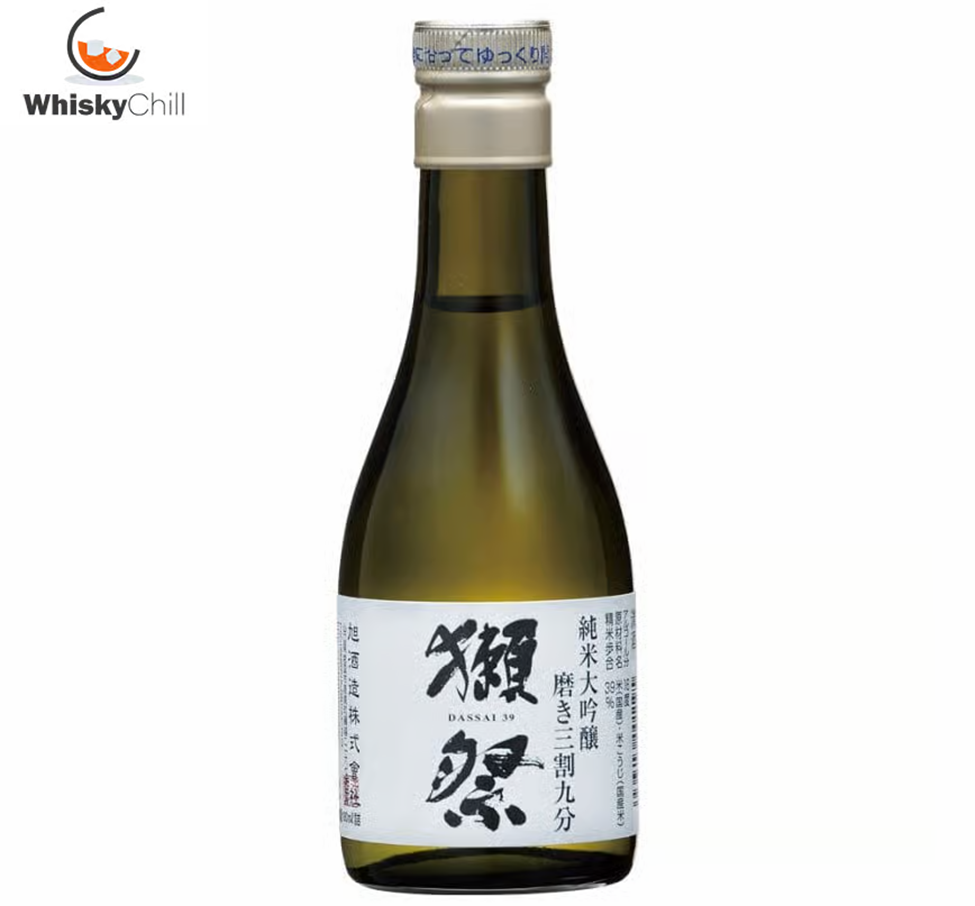
Some ultra-premium selections, including 獺祭二割三分, exemplify the success of this process. The high degree of polishing creates a sake that is exceptionally delicate, with refined aromas and a silky mouthfeel. For Canadian buyers, understanding this scientific and artisanal process enhances appreciation and informs purchasing decisions. Recognizing the skill involved allows enthusiasts to select bottles that represent the pinnacle of Japanese sake craftsmanship, available through specialty retailers and online stores.
Pairing with Fine Cuisine
Ultra-premium sake made from 23 percent polished rice pairs best with cuisine that respects subtlety and balance. Its refined aroma and gentle mouthfeel complement dishes where precision and restraint are central. Traditional Japanese cuisine remains a natural match, particularly sashimi, lightly seasoned sushi, and steamed seafood. These dishes allow the sake’s floral notes and clean finish to remain at the forefront, enhancing the dining experience without distraction.
French cuisine also offers excellent pairing opportunities. Delicate preparations such as poached fish, scallops with light sauces, or poultry cooked with herbs align well with the elegance of ultra-premium sake. The beverage’s soft acidity and mild sweetness can highlight natural flavors rather than overpower them. Fusion dishes that blend Japanese and Western techniques often benefit from this balance, creating harmony between food and drink.
When pairing ultra-premium sake, it is helpful to consider texture and seasoning more than intensity. Avoid heavily spiced or deeply smoky dishes, as these can mask the sake’s nuanced profile. Instead, focus on freshness, clean flavors, and careful preparation. Canadian home cooks and fine dining enthusiasts alike can experiment with thoughtful pairings to elevate meals.
Simple pairing principles include:
- Emphasizing freshness and light seasoning: Fresh ingredients prepared with minimal seasoning allow the sake’s aroma and flavor to remain clear. Overuse of salt, spice, or strong sauces can mask delicate notes. Light seasoning creates harmony rather than dominance.
- Matching delicate textures: Soft textures such as tender fish, silky tofu, or gently cooked poultry mirror the smooth mouthfeel of ultra premium sake. This alignment creates a cohesive sensory experience. Texture matching helps both elements feel integrated.
- Avoiding overpowering sauces:Rich, heavy, or smoky sauces can overwhelm subtle sake characteristics. Choosing lighter sauces supports balance and clarity. This approach keeps the sake expressive and refined.
By following these guidelines, ultra-premium sake becomes a refined companion to fine cuisine, supporting mindful dining and a sophisticated lifestyle.
Collecting and Gifting Ultra-Premium Sake
Ultra-premium sake occupies a unique position as both a collectible and a thoughtful gift. Its limited production, meticulous craftsmanship, and refined presentation make it appealing to collectors who value rarity and quality. Bottles crafted from 23 percent polished rice are often produced in smaller quantities, increasing their desirability and long-term appeal. For enthusiasts, collecting such sake represents an appreciation of tradition, skill, and refinement rather than speculation alone.
Gifting ultra-premium sake carries cultural significance and conveys respect and thoughtfulness. In Japan, premium sake is commonly given to mark milestones, celebrations, and expressions of gratitude. This tradition has resonated with Canadian consumers seeking meaningful gifts that reflect quality and intention. Elegant packaging and clear provenance enhance the gifting experience, making these bottles suitable for both personal and professional occasions.
Proper storage is essential for collectors and gift recipients alike. Bottles should be kept in cool, stable conditions to preserve aroma and flavor. While ultra-premium sake is best enjoyed fresh, careful handling ensures that its quality remains intact until the ideal moment of consumption. Collectors often prioritize authenticity, purchasing from trusted retailers that provide accurate product information and reliable after-sales support.
As interest in premium Japanese beverages continues to grow in Canada, ultra-premium sake has become a refined option for those seeking distinctive gifts or curated collections. Its combination of artistry, rarity, and cultural value makes each bottle a lasting expression of craftsmanship.
Sourcing Sake in Canada
Finding ultra-premium sake in Canada has become increasingly accessible due to the growth of specialty retailers and online purchasing options. Consumers now have the opportunity to explore a wide range of Japanese sake without international travel, making informed decisions from the comfort of home. Trusted sellers provide detailed product descriptions, tasting notes, and storage guidance, helping buyers select bottles that align with personal preferences and occasions.
Authenticity is a key consideration when sourcing ultra-premium sake. Reputable retailers emphasize verified supply chains, proper storage, and careful handling during shipping. This is especially important for sake polished to 23 percent, where temperature fluctuations can impact aroma and texture. Canadian buyers benefit from choosing platforms that prioritize quality control and transparent customer support.
Online shopping also allows consumers to compare pricing, availability, and limited releases. While ultra-premium sake commands higher prices due to labor-intensive production, many buyers consider the value justified by craftsmanship and experience. Seasonal offerings and curated selections provide opportunities to discover rare bottles and expand personal collections.
When sourcing sake in Canada, consumers are encouraged to look for:
- Clear origin and production details: Accurate information about the brewery, rice polishing level, and production style confirms authenticity. These details help buyers understand what they are purchasing and set expectations for flavor and quality. Transparency reflects professionalism and trust.
- Temperature conscious shipping practices: Proper shipping protects aroma and texture during transit. Insulated packaging and climate aware logistics preserve quality upon arrival. This is essential for ultra premium sake.
- Professional customer service: Knowledgeable support helps resolve questions about storage, serving, and selection. Responsive service enhances confidence and overall satisfaction.
These factors help ensure a positive purchasing experience. With careful selection, Canadian enthusiasts can confidently explore ultra-premium sake and enjoy genuine Japanese craftsmanship delivered reliably and responsibly.
The Cultural Significance in Japan
Ultra-premium sake holds deep cultural importance in Japan, where it is closely associated with celebration, craftsmanship, and respect for tradition. The meticulous process of polishing rice to extreme levels reflects values of patience, discipline, and dedication that are central to Japanese culture. Such sake is often reserved for special occasions, religious ceremonies, and significant life events, reinforcing its symbolic role beyond simple consumption.
In Japanese society, premium sake is frequently exchanged as a gesture of respect and goodwill. It is offered during festivals, weddings, and corporate milestones, signifying appreciation and connection. The act of sharing sake encourages mindfulness and social harmony, aligning with broader cultural practices centered on balance and intentional living. Ultra-premium varieties, in particular, represent the highest expression of brewing artistry and are treated with reverence.
This cultural perspective has influenced how sake is appreciated internationally. Canadian consumers increasingly view ultra-premium sake not only as a beverage but as a cultural experience. Understanding its origins and traditions enhances enjoyment and fosters respect for the craft. Learning about proper serving, gifting customs, and seasonal significance allows buyers to engage more deeply with the product.
By recognizing the cultural roots of ultra-premium sake, enthusiasts gain insight into why such care is taken at every stage of production. Each bottle becomes a reflection of heritage, craftsmanship, and the pursuit of excellence that defines Japanese sake culture.
Conclusion
Ultra-premium sake crafted from 23 percent polished rice represents the height of refinement, balance, and craftsmanship. Its smooth texture, delicate aroma, and clean finish reflect the dedication required to produce a beverage of such precision. From understanding rice polishing and production challenges to exploring thoughtful pairings and ideal serving conditions, informed appreciation enhances the overall experience. For Canadian enthusiasts, this knowledge supports confident purchasing decisions and meaningful enjoyment.
The growing availability of ultra-premium sake in Canada reflects a broader interest in mindful consumption and quality-driven lifestyle choices. Collecting or gifting these bottles offers more than luxury, it provides a connection to tradition, artistry, and cultural significance. Responsible storage and thoughtful serving preserve the integrity of each bottle, ensuring that its character is fully expressed.
For those seeking authentic Japanese sake with professional guidance and reliable service, whiskychillhk.com offers access to carefully sourced selections, current product information, and attentive customer support. Exploring such platforms allows consumers to browse the shop and order online in Canada with confidence. Ultimately, ultra-premium sake invites a slower, more intentional approach to enjoyment, where craftsmanship, culture, and wellness intersect in every glass.