
Introduction
Interest in natural pet diets has grown steadily as Canadian pet owners become more aware of how everyday food choices affect long-term health. Feeding is no longer viewed as a routine task alone. It is increasingly seen as a lifestyle decision that shapes energy levels, digestion, and overall well being. This shift has encouraged closer attention to ingredients, sourcing, and how food is prepared.
Natural diets focus on simplicity, clarity, and nutritional purpose. Instead of relying on heavily processed components, they emphasize recognizable ingredients that support the body’s natural functions. For many pets, this approach leads to improved digestion, steadier energy, and a more consistent appetite. Over time, these small daily benefits can add up to meaningful health outcomes.
Canadian households often balance busy schedules with a desire to make thoughtful choices. Natural pet food aligns well with this reality by offering dependable nutrition without unnecessary complexity. When pets receive food that works with their biology rather than against it, feeding routines become easier and more predictable.
This article explores how natural diets contribute to long-term pet health. It examines ingredient quality, protein and fat balance, digestive support, and behavioral changes linked to improved nutrition. For those looking to buy or order pet food online in Canada, understanding what truly defines a natural diet helps cut through marketing claims and supports confident decision making rooted in wellness and care.
What “Natural” Really Means in Pet Food
The word natural appears frequently on pet food packaging, yet its meaning is often misunderstood. In practice, natural pet food refers to recipes made with ingredients that are minimally processed and free from unnecessary synthetic additives. The goal is to preserve nutritional value while avoiding components that serve no functional purpose.
Natural does not mean unregulated or incomplete. High quality natural diets are carefully formulated to meet nutritional requirements while relying on whole ingredients rather than artificial enhancers. Proteins, fats, and carbohydrates are selected for digestibility and balance rather than visual appeal.
Clarity is a defining feature of natural pet food. Ingredient lists are shorter and easier to understand, allowing pet owners to recognize what they are feeding. This transparency supports trust and helps identify foods that align with individual needs, especially for pets with sensitivities.
Natural diets also emphasize consistency. Pets thrive on routine, and foods with stable formulations reduce digestive stress. When recipes avoid frequent changes and unnecessary additions, pets experience fewer disruptions.
In Canada, interest in natural pet food reflects broader wellness trends. Owners increasingly apply the same values they use for their own diets to their pets. Natural feeding becomes less about trends and more about supporting long-term comfort, vitality, and simplicity.
Understanding what nature truly means helps pet owners make informed choices. It shifts focus away from labels and toward ingredient purpose, nutritional balance, and how food performs over time.
Whole Ingredients Versus Processed Alternatives
Whole ingredients form the foundation of natural pet diets. These ingredients retain more of their original nutritional structure, which supports digestion and nutrient absorption. In contrast, heavily processed alternatives often lose value during manufacturing and require added supplements to compensate.
Whole meats, vegetables, and natural fats deliver nutrients in forms pets can readily use. When food relies on these components, it works with the digestive system rather than forcing it to adapt. This is especially beneficial for pets with sensitive stomachs or inconsistent appetites.
Processed alternatives are often designed for shelf stability or cost efficiency. While they may meet basic nutritional standards, they frequently include fillers, binding agents, or artificial enhancers. These additions can complicate digestion and reduce overall food quality.
Natural diets prioritize ingredient integrity. Instead of masking flavor or texture, they rely on the natural appeal of quality components. Brands that follow this approach often highlight simple recipes and identifiable proteins, which appeal to pet owners seeking clarity.
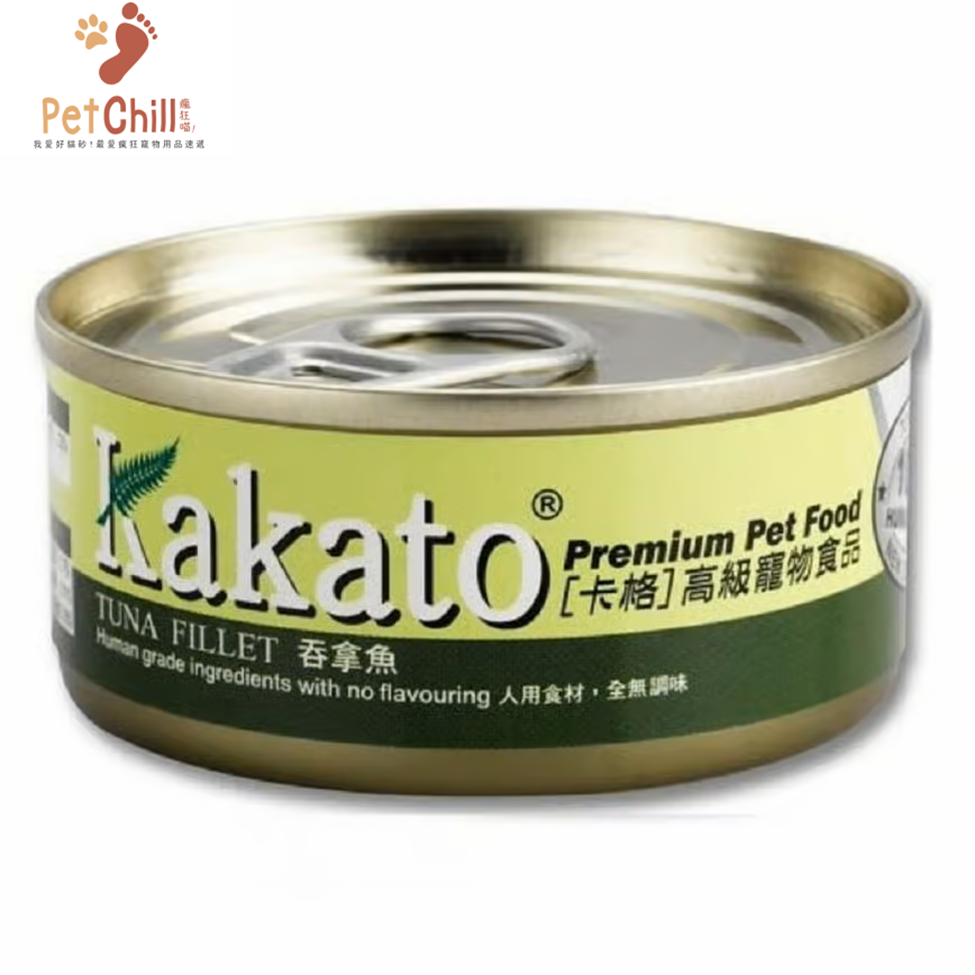
Within this category, products associated with Kakato are often recognized for emphasizing whole ingredients over processed blends. This focus supports consistent feeding outcomes and aligns with natural diet principles.
For Canadian pet owners ordering food online, choosing whole ingredient based diets offers reassurance. Clear labeling and recognizable components make it easier to trust what arrives at the door. Over time, whole ingredients contribute to steadier energy, improved digestion, and better overall wellness.
Protein Sources That Support Muscle Maintenance
Protein plays a central role in maintaining lean muscle, supporting immune function, and sustaining daily energy. For pets, the source of protein matters just as much as the amount. High-quality animal proteins provide essential amino acids that the body cannot produce on its own, making them critical for long-term health.
Muscle maintenance becomes especially important as pets age. Without adequate protein quality, muscle mass can decline, leading to reduced mobility and lower energy levels. Diets built around clearly identified meat sources help support strength and resilience throughout all life stages.
Digestibility is another key factor. Proteins that are gently processed and free from unnecessary fillers are easier for pets to absorb. This efficiency reduces waste and ensures nutrients are used effectively rather than passing through unused.
When shopping online, many Canadian pet owners look for transparency in protein sourcing. Brands that clearly identify the origin and type of protein inspire confidence and support informed decisions. This clarity becomes even more important for pets with sensitivities or specific dietary needs.
Retailers such as petchillhk.com provide access to a wide range of protein focused diets, allowing pet owners to compare options and choose food that aligns with muscle support goals. Curated selections simplify the process without overwhelming buyers.
Consistent access to quality protein supports steady energy, healthy movement, and overall vitality. Over time, this foundation contributes to better physical condition and improved quality of life for pets.
The Role of Fats in Energy and Coat Health
Fats are a vital macronutrient in pet food, supplying concentrated energy and supporting multiple body functions. They enhance taste and texture while delivering essential fatty acids that pets cannot produce on their own. When included in appropriate amounts and sourced responsibly, fats play a central role in maintaining skin integrity, coat condition, and daily energy levels. Rather than being fillers, fats act as functional nutrients that support long-term wellness when balanced correctly with protein and carbohydrates.
The Role of Fats in Energy and Coat Health
- Support for healthy skin and coat condition: Dietary fats provide essential fatty acids that help maintain a strong skin barrier and a glossy coat. Consistent intake supports moisture retention, reducing dryness and flaking. Pets receiving balanced fats often show improved coat shine and reduced irritation over time.
- Sustained and efficient energy supply: Fats deliver more energy per gram than proteins or carbohydrates. This makes them especially valuable for active pets that require steady fuel throughout the day. Unlike quick-burning carbohydrates, fats provide sustained energy without sharp blood sugar fluctuations.
- Regulation of inflammation and cellular health: Certain fats play a role in managing inflammation and supporting normal cellular function. Over time, this contributes to joint comfort, skin resilience, and overall metabolic balance. Diets with appropriate fat profiles help support long-term mobility and comfort.
- Improved nutrient absorption: Fats assist in the absorption of fat-soluble vitamins such as A, D, E, and K. Without adequate dietary fat, pets may not fully benefit from other nutrients in their food. Balanced fat intake ensures nutrients are effectively utilized rather than wasted.
- Impact of fat quality on digestion and performance: Natural fat sources like fish oil and animal fats are more easily processed by pets. Highly processed or artificial fat additives may offer calories without the same functional benefits. High-quality diets prioritize usable fat sources to support digestion and long-term vitality.
- Importance of balance and moderation: Excessive fat intake can contribute to weight gain, while insufficient fat may lead to dull coats and low energy. Proper balance ensures fats complement proteins and carbohydrates rather than overpower them. Thoughtful formulation supports consistent energy levels and healthy body condition over time.
Understanding the role of fats helps pet owners evaluate food quality more accurately. When fats are selected carefully and used in moderation, they enhance both appearance and performance. Long-term benefits include steadier energy, healthier skin, and improved coat condition. Balanced fat intake supports daily comfort and overall vitality. Making informed choices around fat quality contributes to lasting wellness rather than short-term results.
Avoiding Fillers Without Sacrificing Nutrition
Fillers are often included in pet food to reduce cost or improve texture, yet they offer little nutritional value. Common fillers such as excessive starches or unnamed byproducts can dilute the effectiveness of otherwise balanced diets. Natural feeding approaches aim to minimize or eliminate these components.
Avoiding fillers does not mean sacrificing completeness. High-quality diets replace fillers with functional ingredients that contribute vitamins, minerals, and digestible energy. This ensures pets receive nourishment without unnecessary bulk.
Fillers can also complicate digestion. Pets may feel full without receiving adequate nutrients, leading to inconsistent energy levels or increased stool volume. Natural diets support efficiency by focusing on ingredients the body can readily process.
Transparency plays a key role here. Brands committed to natural nutrition clearly explain why each ingredient is included. This openness allows pet owners to evaluate whether components serve a nutritional purpose or simply fill space.
Canadian consumers increasingly recognize the value of filler-free diets, especially when ordering pet food online. Clear ingredient lists help avoid guesswork and support confident purchasing decisions.
Removing fillers often results in smaller portion sizes because nutrients are more concentrated. This can improve feeding efficiency and reduce waste over time. When nutrition is delivered intentionally rather than diluted, pets benefit from meals that support consistent wellness and satisfaction.
Supporting Sensitive Digestion Through Diet
Sensitive digestion is a common concern among pets, particularly as they age or experience dietary changes. Symptoms such as irregular stools, gas, or reduced appetite often signal that food is not being processed effectively. Natural diets can help address these issues by simplifying ingredient profiles and improving digestibility.
Easily digestible proteins and moderate fat levels reduce strain on the digestive system. When ingredients are gentle and purposeful, pets experience smoother digestion and better nutrient absorption. This consistency supports overall comfort and routine.
Fiber also plays a role. Natural sources of fiber help regulate digestion without causing irritation. Balanced fiber levels promote regularity while supporting gut health.
Consistency is critical for sensitive pets. Frequent food changes or overly complex recipes can disrupt digestive balance. Natural diets prioritize stable formulations that pets can rely on day after day.
For pet owners managing sensitive digestion, observing response is key. Improvements often include steadier appetite, healthier stools, and improved energy. These changes indicate that food is supporting rather than challenging the digestive system.
Canadian households benefit from access to clearly labeled, digestion friendly diets. When ordering online, selecting natural options designed for sensitive stomachs reduces trial and error. Over time, supportive diets help pets feel more comfortable, making feeding routines calmer and more predictable for both pets and owners.
Feeding Strategies for Allergies and Intolerances
Feeding strategies for pets with allergies or intolerances focus on reducing exposure to ingredients that trigger adverse reactions. These approaches prioritize simplicity, ingredient clarity, and consistency to support digestive comfort and skin health. Rather than frequent food changes, structured diets are designed to stabilize the pet’s system over time. When managed carefully, these strategies help pets feel more comfortable and improve their overall quality of life.
Long-Term Effects of Proper Feeding Strategies
- Reduction in chronic itching and skin irritation: Limiting exposure to problematic ingredients helps calm inflammatory responses over time. Pets often experience fewer flare-ups, reduced scratching, and improved coat condition. Consistent feeding supports gradual skin recovery rather than temporary relief.
- Improved digestive stability: Simple, natural diets reduce stress on the digestive system. Over time, this can lead to firmer stools, less gas, and fewer episodes of vomiting or diarrhea. A stable gut environment supports better nutrient absorption and comfort.
- Clear identification and avoidance of triggers: Elimination diets help pinpoint specific proteins or carbohydrates that cause reactions. Once identified, long-term avoidance prevents recurring symptoms. This clarity allows pet owners to maintain confidence in feeding decisions.
- Lower risk of recurring flare-ups: Consistent formulations reduce the chance of accidental reintroduction of allergens. Frequent food switching often resets progress, while stable diets support long-term symptom control. Predictability becomes a key factor in sustained improvement.
- Better tolerance through portion control: Measured portions reduce digestive strain, even when ingredients are suitable. Over time, controlled feeding supports balanced digestion and energy levels. This helps prevent unnecessary discomfort linked to overeating.
- Improved trust and comfort at mealtime: Pets experiencing fewer adverse reactions often regain enthusiasm for food. Regular routines and predictable outcomes reduce anxiety associated with eating. Over time, this builds a healthier relationship with food and feeding.
Feeding strategies for allergies and intolerances require patience and consistency, but their long-term benefits are significant. Thoughtful ingredient selection and structured routines help reduce discomfort and prevent recurring issues. Over time, pets experience improved digestion, healthier skin, and greater overall comfort. Clear labeling and natural formulations simplify management for pet owners. With the right approach, feeding becomes a source of stability rather than stress.
Transitioning Pets to Cleaner Food Safely
Transitioning pets to cleaner, more natural food requires planning and patience. Sudden changes can upset digestion, even when the new food is higher quality. A gradual approach helps the digestive system adapt without stress.
Most transitions follow a phased method. Small amounts of new food are mixed with the current diet, increasing gradually over one to two weeks. This slow progression allows pets to adjust while minimizing digestive disruption.
Observation plays a key role during transitions. Changes in appetite, stool consistency, or energy levels provide valuable feedback. Mild adjustments are normal, but persistent issues may signal the need to slow the process.
Cleaner food often contains fewer fillers and additives, which can initially feel different for pets accustomed to heavily processed diets. This adjustment period is temporary and usually resolves as digestion stabilizes.
Maintaining routine during transitions supports success. Feeding at consistent times and avoiding additional treats reduces variables that could complicate the process. Simplicity helps pets adapt more smoothly.
For Canadian households ordering food online, planning transitions around delivery schedules ensures continuity. Having enough of the current food on hand prevents rushed changes.
When handled carefully, transitions to natural diets often result in improved digestion, appetite, and overall comfort. A patient approach supports long-term success and helps pets fully benefit from cleaner nutrition.
Behavioral Changes Linked to Improved Nutrition
Nutrition influences more than physical health. Behavioral changes are often observed when pets receive food that aligns better with their nutritional needs. Improved focus, steadier energy, and calmer behavior are common outcomes of balanced, natural diets.
Highly processed foods can contribute to energy fluctuations. Spikes followed by crashes may lead to restlessness or irritability. Natural diets provide more consistent energy through balanced protein and fat, supporting stable behavior throughout the day.
Digestive comfort also affects mood. Pets experiencing discomfort may appear withdrawn or irritable. When digestion improves, pets often become more engaged and responsive. This shift reflects the close connection between gut health and overall wellbeing.
Skin and coat improvements can influence confidence and comfort. Reduced itching and irritation allow pets to rest more comfortably, which supports better sleep and behavior.
Mental engagement may also increase. Pets that feel well physically are more inclined to play, explore, and interact. Owners often notice renewed interest in daily activities after dietary improvements.
Behavioral changes do not happen overnight, but gradual improvements signal that food is supporting the body effectively. Observing these changes helps reinforce feeding choices and builds confidence in nutritional decisions.
For pet owners, improved behavior strengthens the bond between pets and caregivers. Nutrition becomes a tool not only for health, but also for enhancing everyday interactions and shared experiences.
Conclusion
Choosing a natural diet is an investment in long-term pet health, comfort, and quality of life. When food supports digestion, energy, and overall balance, pets are better equipped to thrive through every life stage. These benefits accumulate quietly through daily routines rather than dramatic changes.
Natural feeding emphasizes intention. From ingredient selection to consistent routines, each choice contributes to stability and wellbeing. Over time, pets fed cleaner diets often show improved vitality, smoother digestion, and more balanced behavior.
Access to reliable sources makes this process easier. Platforms such as petchillhk.com offer a wide range of authenticated pet supplies, professional support, and convenient online ordering. With diverse options available, pet owners can explore products that align with natural feeding goals while maintaining confidence in quality.
For Canadian pet owners looking to order online or browse thoughtfully curated selections, taking the time to evaluate natural food options can be a meaningful next step. Small adjustments in diet often lead to lasting improvements in comfort and energy.
Ultimately, feeding is an expression of care. Natural diets reflect a commitment to simplicity, transparency, and wellness. By choosing food that supports the body naturally, pet owners create a foundation for healthier, happier lives shared with their pets.