
Introduction
Waste management is an important operational consideration in modern warehouses, distribution centres and industrial facilities. Unlike a conventional office environment, a warehouse can generate substantial quantities of packaging materials, damaged stock, general waste and recyclable materials throughout the working day. These materials often arise at different points in the operation, from goods receiving and storage to picking, packing and dispatch.
An effective warehouse waste management system therefore needs to reflect how the facility actually operates. Container capacity, collection frequency, waste segregation, accessibility and storage arrangements all influence how efficiently waste can be handled. A poorly planned system can create unnecessary movement, obstruct working areas and result in containers becoming full before scheduled collections.
Commercial waste containers form an important part of this infrastructure. When their capacity, location and configuration are selected according to operational requirements, waste handling can become more organised and predictable. For businesses managing busy warehouse environments, waste infrastructure should be treated as part of the overall workplace layout rather than as an afterthought.
Assessing Waste Generation Across Different Warehouse Operations
Every warehouse produces waste differently because each stage of the supply chain has its own operational requirements. The receiving area may generate cardboard, wrapping and damaged packaging, while picking areas can produce smaller quantities of packaging materials throughout the day. Packing stations may create considerably larger volumes of cardboard, plastic film and other packing-related waste, particularly in facilities processing high order volumes.
Understanding these differences helps facility managers determine where disposal points are actually needed. A warehouse that handles large volumes of consumer goods may require frequent waste removal around packing stations, whereas a storage facility with limited order processing may generate substantially less waste.
Waste generation should ideally be monitored over representative operating periods. This can reveal when containers reach capacity, which areas produce the most waste and whether current collection schedules are sufficient. Seasonal peaks also deserve attention. Retail warehouses, for example, can experience significant increases in packaging and general waste during busy trading periods.
The physical characteristics of waste matter as well. Lightweight cardboard can occupy considerable container volume even when it weighs relatively little. Conversely, compact and heavier materials may require different handling arrangements. Assessing both volume and material type provides a more accurate basis for designing a commercial waste management system.
Choosing Container Capacity for Commercial Warehouse Environments
Container capacity should correspond with the quantity of waste generated, the available space and the frequency of collection. Choosing a container simply because it fits a particular corner of the warehouse can result in insufficient capacity or inefficient use of floor space.
Smaller wheeled containers can be useful near individual work areas where waste is generated gradually. Medium-capacity options can serve packing zones or shared workplace areas, while larger containers may be more suitable for facilities with substantial waste volumes. Common commercial wheelie bin capacities include 120L, 240L and 360L, with larger configurations available for operations requiring greater collection capacity.
Manoeuvrability is another important consideration. A large container may provide greater capacity, but it also needs sufficient clearance for movement through warehouse aisles, doors and collection points. A smaller container may be easier to position close to employees, although it could require more frequent emptying.
Under-capacity can cause overflowing containers, additional handling and disruption to normal operations. Excessive capacity can occupy valuable floor space and may be inefficient if the container is rarely filled before collection. A balanced approach considers actual waste generation, movement requirements and collection schedules together.
Using Colour and Segregation to Improve Waste Handling
Waste segregation can make warehouse waste handling more systematic by ensuring different materials are directed into appropriate disposal streams. In busy facilities, employees may need to make disposal decisions quickly, so clearly identified containers can help reduce confusion at the point where waste is generated.
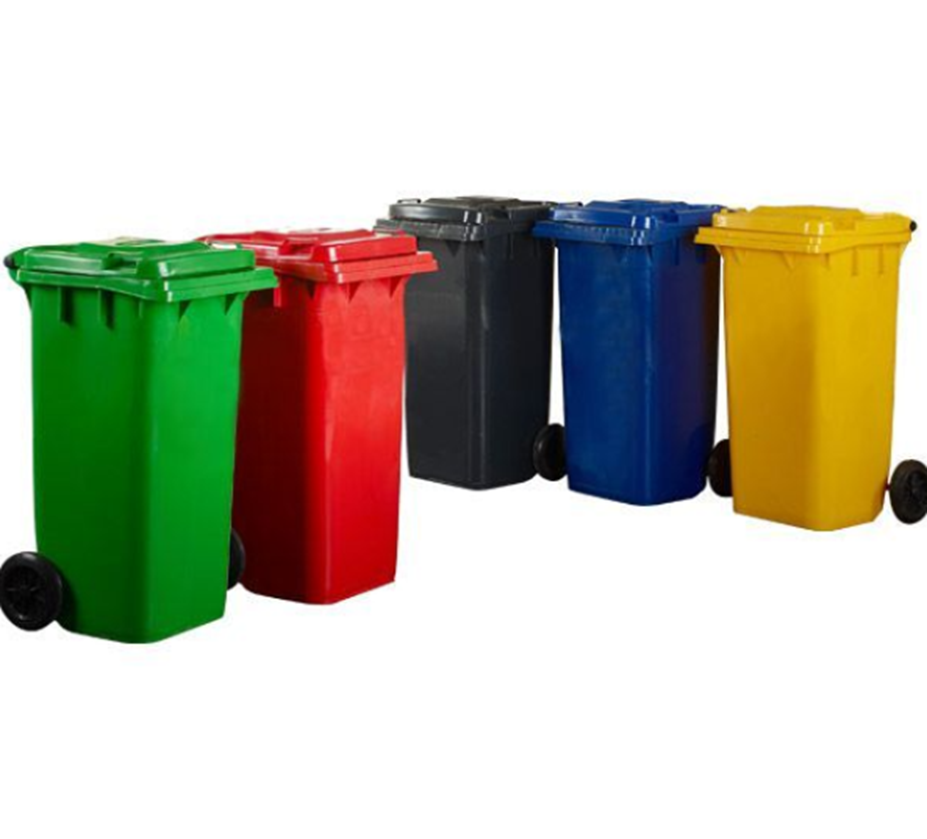
Colour coding can provide a simple visual distinction between different waste categories. When combined with clear labels and signage, it can help employees recognise where cardboard, recyclable materials, general waste or other designated streams should be placed. The system works most effectively when the same colour and labelling approach is used consistently throughout the facility.
The location of disposal points also matters. If a recycling container is positioned far from a packing station, employees may be less likely to use it consistently. Placing suitable containers close to the source of waste can reduce unnecessary movement and make segregation part of the normal workflow.
For businesses reviewing commercial waste equipment, Wheelie Bins can form part of a practical segregation strategy because wheeled containers can be positioned around operational areas and moved when required. Direct2U.co.uk supports businesses planning larger workplace and warehouse requirements, with its sales team offering expert advice, tailored quotations and flexible solutions for projects from initial enquiry through to installation. This type of project-focused approach can be relevant where several waste streams or multiple workplace areas need to be equipped consistently.
Segregation should also form part of wider workplace procedures. Employees need to understand which materials belong in each container, while supervisors can monitor whether disposal arrangements remain suitable as operations change. Consistent systems are easier to maintain when containers, labels and workplace procedures all support the same objectives.
Positioning Waste Containers Without Disrupting Warehouse Traffic
Even correctly selected waste containers can create operational problems when they are positioned poorly. Warehouses depend on clear routes for employees, pallet trucks, forklifts and other handling equipment. Waste disposal points therefore need to be accessible without interfering with these movements.
A practical layout considers where waste is generated, how employees reach disposal points and how full containers will eventually be moved to collection areas. Several factors should be considered when establishing these locations:
- Proximity to waste-generating activities: Containers should be positioned close enough to packing, receiving or other relevant workstations to minimise unnecessary movement. This makes disposal more convenient while reducing the amount of waste transported manually across the warehouse.
- Protection of traffic routes: Waste containers should not obstruct forklift lanes, pedestrian walkways, emergency access routes or loading areas. Their position should leave adequate clearance for normal warehouse traffic and routine material handling.
- Ease of collection: Containers need to be accessible to the personnel or equipment responsible for emptying and collecting them. A location that is convenient for employees but difficult to access during collection can create additional handling requirements.
- Indoor and outdoor requirements: Some facilities may need containers inside production or packing areas, while others may use designated external waste storage zones. The selected arrangement should account for weather exposure, security, accessibility and the site’s collection procedures.
- Dedicated storage areas: Where multiple containers are required, a clearly designated waste storage area can prevent bins from being left randomly around the facility. Suitable wheelie-bin storage can also create a more controlled transition between daily operations and scheduled collection.
Standards, Compatibility and Practical Handling Requirements
Commercial waste containers need to withstand repeated handling in demanding workplace environments. Durability is particularly relevant in warehouses where bins may be moved frequently and exposed to loading, unloading and cleaning activities.
Applicable standards should also be considered when selecting wheeled containers. EN 840 is an important European standard associated with mobile waste and recycling containers, covering relevant dimensions, performance and testing requirements for suitable container types. Businesses should check the specifications of individual products and confirm that they meet the requirements applicable to their intended use.
Compatibility with waste collection equipment is another practical consideration. Some commercial collection systems use lifting mechanisms designed for particular container configurations. Selecting containers that work with the existing collection infrastructure can help avoid unnecessary manual handling or equipment changes.
Wheel design can influence manoeuvrability, especially on large warehouse floors. Container construction, lid design and ease of cleaning are also relevant for workplaces where bins are handled regularly. Materials and finishes should be appropriate for the environment in which the containers will operate.
Local collection arrangements should be checked before purchasing equipment. Collection providers may have specific requirements concerning container types, capacities, positioning or accessibility. Reviewing these requirements in advance helps businesses avoid investing in equipment that does not integrate effectively with their existing waste management process.
Building a Waste Management System That Can Adapt as Operations Grow
Warehouse operations rarely remain completely static. Changes in product ranges, order volumes, workforce size, storage capacity or customer demand can alter the quantity and type of waste generated. A waste management system should therefore have enough flexibility to accommodate operational changes.
Several planning principles can help businesses build a scalable system:
- Allowing for changing volumes: A warehouse that is expanding may eventually require additional containers or more frequent collections. Reviewing waste volumes periodically can identify capacity requirements before overflowing containers become a recurring problem.
- Planning additional waste streams: Businesses may introduce new recycling arrangements or separate materials that were previously disposed of together. A flexible layout makes it easier to introduce additional labelled containers without disrupting existing operations.
- Standardising equipment: Using consistent container types and labelling across different warehouse areas can simplify employee training and routine management. Standardisation can also make replacement and expansion easier when additional equipment is required.
- Considering future layouts: New storage zones, packing stations or dispatch areas may change where waste is generated. Waste infrastructure should be considered when planning future warehouse layouts rather than being added after operational changes have already taken place.
- Reviewing collection schedules: Increased activity can cause existing collection frequencies to become inadequate. Monitoring fill levels and collection patterns can help determine whether changes are required as the business grows.
- Planning for larger projects: Businesses undertaking warehouse expansions, relocations or major fit-outs may benefit from considering waste infrastructure alongside other workplace supplies. Integrating requirements into a wider project plan can help maintain consistency across the facility.
Conclusion
An efficient warehouse waste management system depends on more than simply providing containers. Waste generation varies between receiving, storage, picking, packing and dispatch operations, so each area needs to be considered according to its specific requirements. Container capacity, manoeuvrability and collection frequency should reflect actual waste volumes rather than assumptions about available space.
Effective segregation can further improve workplace organisation by directing different materials into clearly identified waste streams. At the same time, container positioning needs to protect warehouse traffic routes while keeping disposal points accessible to employees and collection teams.
Standards, equipment compatibility, durability and cleaning requirements also influence the suitability of commercial waste containers. As warehouse operations develop, the waste system should be capable of adapting through additional capacity, new waste streams and changes to collection arrangements. By treating waste infrastructure as an integral part of warehouse planning, businesses can create a cleaner, more organised and operationally practical workplace.