
A healthy smile is not simply about having clean and attractive teeth. Good oral health affects your comfort, confidence, nutrition, and overall quality of life. Regular dental care can help identify problems before they become painful or expensive, while professional guidance can make everyday oral hygiene much easier to manage.
Finding a dental practice that suits your needs is therefore an important decision. Whether you need a routine examination, professional cleaning, restorative treatment, or advice about improving your smile, the right dental team can make every visit more comfortable and productive.
For residents looking for convenient dental care, searching for a lidcombe dentist can be a practical starting point. Likewise, people who live or work around the surrounding suburbs may consider a westmead dentist when comparing local options.
Why Regular Dental Care Matters
Many dental problems develop gradually. Tooth decay, gum disease, worn enamel, and other concerns may not cause noticeable symptoms during their early stages.
This is one reason routine dental appointments are valuable. A dentist can examine areas that may be difficult to assess at home and identify warning signs before they develop into more serious problems.
Regular appointments can also help you understand your individual oral health needs. Some people may require more frequent professional cleaning, while others may benefit from additional preventive measures.
What Happens During a Dental Check-Up?
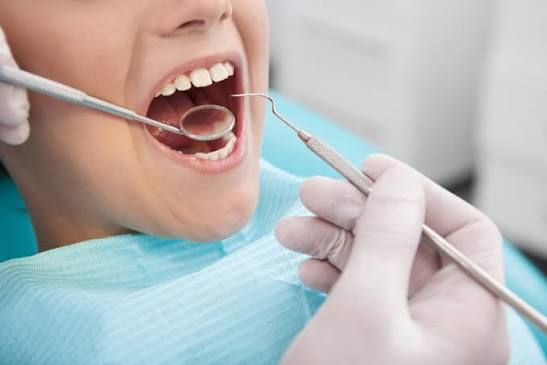
A standard dental examination usually involves several stages. The dentist begins by discussing any concerns you may have, including sensitivity, discomfort, bleeding gums, or changes in your teeth.
The teeth and gums are then examined for signs of decay, inflammation, damage, or other abnormalities.
Depending on your circumstances, dental X-rays or other diagnostic methods may be recommended. These can help dentists examine areas that are not easily visible during a routine examination.
The appointment may also include advice about brushing, flossing, diet, and other habits that influence oral health.
Professional Dental Cleaning
Even with careful brushing and flossing, plaque can accumulate in difficult-to-reach areas. Over time, hardened plaque can become tartar, which cannot be removed effectively with an ordinary toothbrush.
Professional cleaning helps remove accumulated deposits and can leave teeth feeling smoother and cleaner.
Dental hygiene appointments can also be useful for people who experience frequent gum inflammation or have difficulty maintaining certain areas of their mouth.
Preventing Tooth Decay
Tooth decay is one of the most common dental concerns. It occurs when acids produced by bacteria gradually damage tooth enamel.
Diet plays an important role in prevention. Frequently consuming sugary snacks and drinks can increase the amount of time teeth are exposed to acid-producing conditions.
Good brushing habits are equally important. Using fluoride toothpaste and brushing thoroughly twice a day can help protect enamel and reduce the risk of cavities.
Flossing or cleaning between teeth is also essential because toothbrush bristles cannot effectively reach every surface.
Understanding Gum Health
Healthy gums should generally appear firm and should not regularly bleed during brushing.
Bleeding, swelling, redness, persistent bad breath, or tenderness can sometimes indicate gum problems. Ignoring these symptoms may allow an underlying condition to progress.
Early attention can make gum problems easier to manage. A dentist or dental hygienist can assess the condition of the gums and recommend appropriate care.
Dental Care for Children
Children benefit from developing positive dental habits early. Regular visits can help them become familiar with the dental environment and understand why oral hygiene matters.
Parents can encourage children to brush twice daily and help them develop consistent routines.
The dentist can also monitor developing teeth and identify potential concerns as a child’s mouth changes.
Making dental visits feel normal rather than frightening can help children become more confident about receiving dental care as they grow.
Dental Care for Teenagers
Teenagers often experience significant changes in their oral health. Permanent teeth are established, while lifestyle factors can introduce new challenges.
Sugary drinks, irregular meals, sports activities, orthodontic treatment, and inconsistent brushing can all influence dental health.
Teenagers should be encouraged to take responsibility for their oral hygiene while still receiving guidance from parents and dental professionals.
Dental Care for Adults
Adults often balance work, family, and other responsibilities, making it easy to postpone dental appointments.
However, delaying routine care can allow minor issues to develop into larger problems.
Adults should consider dental examinations part of their general health routine. Regular professional care provides an opportunity to monitor existing dental work, check for new concerns, and maintain healthy teeth and gums.
The Importance of Preventive Dentistry
Preventive dentistry focuses on avoiding problems instead of simply treating them after they occur.
Regular examinations, professional cleaning, fluoride care, oral hygiene education, and early intervention all form part of preventive dentistry.
This approach can potentially reduce the need for complex treatment later.
Prevention can also make dental care more predictable. Instead of waiting for severe pain or a broken tooth, patients can address concerns while they are still manageable.
Restorative Dental Treatment
Sometimes dental problems require treatment even when a person has maintained good oral hygiene.
Fillings may be used to repair teeth affected by decay. Crowns can help restore significantly damaged teeth, while other restorative options may be considered depending on the condition of the mouth.
The most suitable treatment depends on factors such as the extent of damage, the location of the tooth, and the patient’s overall oral health.
A thorough examination allows the dentist to explain available options and their potential benefits.
Dealing With Tooth Sensitivity
Tooth sensitivity can make everyday activities uncomfortable. Hot drinks, cold foods, sweet foods, or even cold air may trigger sharp sensations.
Sensitivity can have several possible causes. Enamel wear, gum recession, cavities, damaged fillings, or other dental conditions may contribute to discomfort.
Rather than simply avoiding certain foods, it is worth discussing persistent sensitivity with a dentist. Identifying the underlying cause is an important part of choosing appropriate treatment.
Dental Emergencies
Some dental problems require prompt attention. Severe toothache, dental trauma, swelling, a broken tooth, or other sudden symptoms can interfere with normal activities.
If a dental emergency occurs, contacting a dental practice as soon as possible is usually advisable.
Prompt assessment can help determine the cause of the problem and whether immediate treatment is necessary.
Replacing Missing Teeth
Missing teeth can affect more than appearance. They may influence chewing, speech, and the way surrounding teeth function.
Depending on individual circumstances, replacement options can include bridges, dentures, or dental implants.
Every option has different considerations, including suitability, maintenance, cost, and expected longevity. A dental professional can assess the mouth and explain which solutions may be appropriate.
Improving Your Smile
Cosmetic dentistry has become increasingly popular among adults who want to improve the appearance of their teeth.
Depending on individual needs, cosmetic treatments may address tooth colour, shape, spacing, or alignment.
Professional advice is important before choosing cosmetic treatment. A dentist can determine whether the teeth and gums are healthy enough for a particular procedure and explain realistic expectations.
Choosing a Convenient Dental Practice
Location can have a major influence on whether people maintain regular appointments.
A conveniently located practice is easier to visit for examinations, hygiene appointments, follow-up treatment, and unexpected dental concerns.
People in and around Lidcombe may search for a lidcombe dentist when looking for accessible local dental services.
Patients who live, work, or study near Westmead may also explore a westmead dentist to find a practice that fits their schedule and dental requirements.
Convenience should not be the only consideration, however. Patients should also look at the range of services, communication style, appointment availability, and overall approach to patient care.
What to Look for in a Dental Practice
Choosing a dentist can feel overwhelming when several practices are available.
Start by considering the services you are likely to need. A practice offering general preventive and restorative dentistry may be convenient if you want to manage most dental needs in one location.
Communication is another important factor. Patients should feel comfortable asking questions and discussing concerns.
It is also useful to consider appointment scheduling. A practice that offers suitable appointment times can make it easier to maintain consistent dental care.
A Comfortable Dental Experience
Dental anxiety is common, and some people avoid appointments because they associate dental treatment with discomfort.
A patient-focused dental practice can help make visits easier by explaining procedures clearly and allowing patients to ask questions.
Communication can make a significant difference. Understanding what will happen during an appointment often helps reduce uncertainty.
Patients who feel nervous should mention their concerns before treatment begins. This allows the dental team to adapt their communication and provide appropriate reassurance.
Oral Hygiene Between Appointments
Professional dental care cannot replace daily oral hygiene.
Brush your teeth twice a day with fluoride toothpaste. Use gentle movements and spend enough time cleaning all tooth surfaces.
Clean between your teeth regularly with floss or another suitable interdental cleaning method.
Replace your toothbrush or toothbrush head when the bristles become worn.
Limiting frequent sugary snacks and drinks can also help protect teeth.
These simple habits form the foundation of good oral health.
The Role of Diet in Dental Health
Food and drinks can have a significant effect on teeth.
Sugary foods provide fuel for bacteria that produce acids capable of damaging enamel. Acidic beverages can also contribute to enamel erosion.
Water is generally a useful choice throughout the day. Eating balanced meals and limiting frequent sugary snacks can support healthier teeth.
Rather than focusing on completely eliminating every enjoyable food, consider how frequently teeth are exposed to sugar and acid.
Dental Care During Pregnancy
Pregnancy can bring changes to the body, including changes that affect the mouth.
Some people experience increased gum sensitivity or inflammation during pregnancy. Changes in eating patterns can also influence oral health.
Maintaining regular brushing and professional dental care is important during this period.
Pregnant patients should inform their dental team about their pregnancy so that appropriate care can be planned.
Dental Care for Older Adults
Oral health remains important throughout later life. Older adults may experience changes involving gums, tooth wear, dry mouth, existing restorations, or missing teeth.
Certain medications can also contribute to dry mouth, which may increase the risk of dental problems.
Regular dental examinations provide an opportunity to monitor these changes and maintain comfort and function.
A personalised approach becomes especially valuable when someone has multiple dental restorations or other ongoing oral health needs.
Why Early Treatment Can Be Beneficial
A small dental concern may be easier to address than a problem that has been ignored for months or years.
For example, early tooth decay may require relatively straightforward treatment, while advanced decay can potentially affect deeper parts of the tooth.
Similarly, early gum problems may be easier to manage than advanced periodontal disease.
This is why regular examinations are an important part of maintaining a healthy mouth.
Questions to Ask Your Dentist
Patients should never feel uncomfortable asking questions during a dental appointment.
Useful questions may include:
What is causing this problem?
What treatment options are available?
What happens if I delay treatment?
How can I prevent the problem from returning?
How often should I schedule check-ups?
Are there changes I should make to my brushing or diet?
Clear answers can help patients make informed decisions about their dental care.
Making Dental Visits Part of Your Routine
The best dental care plan is one that you can maintain consistently.
Instead of waiting until something hurts, schedule examinations according to professional recommendations.
Keeping appointments in your calendar can make dental care easier to remember. Combining regular examinations with professional cleaning may also help establish a predictable routine.
Consistency is often more valuable than occasional intensive attention.
Balancing Quality and Convenience
When choosing a dental practice, patients should consider the complete experience rather than focusing on one factor.
A convenient location can make appointments easier. Clear communication can make treatment more comfortable. A broad range of services can reduce the need to visit multiple practices.
The goal is to find a dental team that you trust and can visit regularly.
For people around Lidcombe, exploring a lidcombe dentist can help narrow the search to practices in a convenient area.
Similarly, people near Westmead can consider a westmead dentist when comparing local dental care options.
Building a Long-Term Relationship With Your Dentist
Dental care works best when patients and dental professionals communicate openly.
Over time, regular visits allow the dental team to understand your oral health history and monitor changes.
This can make it easier to identify unusual symptoms, track existing restorations, and provide personalised preventive advice.
A long-term relationship can also make dental visits feel more familiar and comfortable.
Frequently Asked Questions
How often should I visit the dentist?
The appropriate frequency varies from person to person. Your dentist can recommend an appointment schedule based on your oral health, risk factors, and treatment history.
Is professional cleaning necessary if I brush every day?
Yes. Daily brushing is essential, but it may not remove all hardened deposits. Professional cleaning can address buildup that regular brushing cannot remove.
What should I do if my gums bleed?
Occasional bleeding should not simply be ignored. Discuss persistent bleeding with a dental professional so the underlying cause can be assessed.
Can tooth sensitivity go away on its own?
Sometimes sensitivity may be temporary, but persistent or worsening sensitivity should be evaluated. It can sometimes indicate an underlying dental problem.
Are dental check-ups important if I have no pain?
Yes. Many dental problems can develop without noticeable pain during their early stages. Routine examinations can help identify concerns before symptoms become obvious.
How can I make dental visits easier for my children?
Start with positive conversations about dental care and establish brushing routines early. Regular visits can also help children become familiar with the dental environment.
What should I do after damaging a tooth?
Contact a dental practice promptly for advice. The urgency depends on the type and severity of the injury.
How can I find a dentist near me?
Consider practices that are conveniently located, provide the services you need, offer suitable appointment times, and make you feel comfortable discussing your dental concerns.
Final Thoughts
Good oral health is built through consistent habits, professional guidance, and early attention to potential problems. Regular dental examinations can help protect teeth and gums while providing an opportunity to address concerns before they become more complicated.
Whether you are arranging a routine check-up, looking for preventive care, dealing with sensitivity, or considering restorative treatment, choosing a dental practice that fits your needs is an important step.
For local patients, researching options such as a lidcombe dentist or westmead dentist can make it easier to find convenient dental care close to home, work, or study.
Ultimately, the best dental routine is one that you can maintain for years. With daily oral hygiene and regular professional care, you can give your teeth and gums the attention they need to remain healthy, comfortable, and functional.