
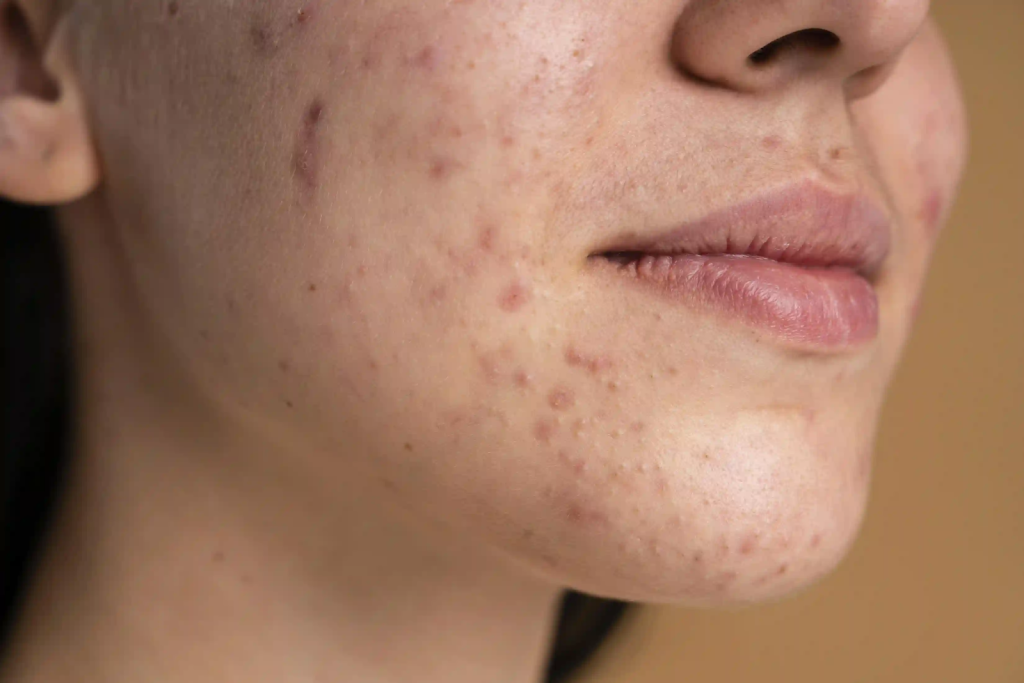
Acne-prone skin demands targeted skincare solutions that are lightweight, effective, and dermatologically tested. Among the most recommended treatments by skin experts, acne treatment gels stand out for their ability to penetrate pores quickly, reduce inflammation, and control excess oil without clogging the skin. Dermatologists consistently recommend gel-based formulas because they are non-greasy, fast-absorbing, and suitable for oily or combination skin types.
In this comprehensive guide, we explore the top dermatologist-recommended gels for acne-prone skin, their active ingredients, how they work, and how to choose the best one for your skin type. Understanding the right products can dramatically improve skin clarity, reduce breakouts, and restore confidence. tretinoin gel for acne-prone skin
Why Gel-Based Treatments Work Best for Acne-Prone Skin
Gel formulations are designed with water-based or alcohol-based carriers, allowing active ingredients to reach deeper into the pores. Unlike heavy creams, gels do not create a thick barrier on the skin. Instead, they absorb quickly and deliver targeted treatment where acne begins — inside clogged pores.
Dermatologists often recommend gels because they help with:
- Reducing excess sebum production
- Clearing clogged pores
- Fighting acne-causing bacteria
- Minimizing redness and inflammation
- Preventing future breakouts
Another major advantage is that gels are typically non-comedogenic, meaning they do not block pores, which is essential for acne-prone skin.
Powerful Ingredients Found in Dermatologist-Recommended Acne Gels
The effectiveness of acne gels comes from active dermatological ingredients proven to fight acne at the source. The most recommended ingredients include:
1. Benzoyl Peroxide
Benzoyl peroxide is one of the most trusted acne-fighting ingredients. It works by killing acne-causing bacteria and removing excess oil from the skin. Dermatologists often recommend it for moderate to severe acne cases.
Benefits include:
- Rapid bacteria elimination
- Reduced pore blockage
- Visible reduction in inflammatory acne
Concentrations typically range from 2.5% to 10%, depending on skin sensitivity.
2. Salicylic Acid
Salicylic acid is a beta hydroxy acid (BHA) known for its ability to penetrate deep into pores and dissolve oil buildup. It helps remove dead skin cells and prevent clogged pores, making it highly effective for blackheads and whiteheads.
Key advantages include:
- Deep pore cleansing
- Exfoliation of dead skin cells
- Reduction of acne lesions
Salicylic acid gels are ideal for individuals with oily and congested skin.
3. Adapalene (Topical Retinoid)
Adapalene is a dermatologist-approved topical retinoid that helps regulate skin cell turnover. It prevents pores from becoming blocked and reduces inflammation.
Dermatologists recommend adapalene gels because they:
- Normalize skin cell renewal
- Prevent new acne formation
- Improve overall skin texture
It is especially beneficial for people with persistent acne and clogged pores.
4. Niacinamide
Niacinamide, also known as vitamin B3, is a powerful anti-inflammatory ingredient. It helps soothe irritated skin while controlling oil production.
Its benefits include:
- Reducing redness and swelling
- Balancing sebum production
- Strengthening the skin barrier
Niacinamide gels are excellent for sensitive acne-prone skin.
5. Tea Tree Extract
Many dermatologists support gels containing tea tree extract, a natural antibacterial ingredient. It helps fight bacteria while calming inflamed skin.
Benefits include:
- Natural antibacterial action
- Reduction of swelling
- Gentle treatment for mild acne
Tea tree gels are ideal for those seeking plant-based acne solutions.
Best Dermatologist-Recommended Acne Treatment Gels
Below are some of the most trusted gel treatments dermatologists frequently recommend for clearer skin. Mayo Clinic
Adapalene Acne Treatment Gel
Adapalene gel has become a gold standard treatment for persistent acne. This retinoid works by regulating how skin cells grow and shed, preventing clogged pores before breakouts form.
Key benefits include:
- Long-term acne prevention
- Reduction in blackheads and whiteheads
- Smoother skin texture
Dermatologists often recommend using adapalene once daily at night for optimal results.
Benzoyl Peroxide Acne Gel
Benzoyl peroxide gels are known for their fast-acting antibacterial properties. They eliminate acne-causing bacteria and reduce inflammation, making them highly effective for inflamed pimples and cystic acne.
Advantages include:
- Rapid pimple reduction
- Lower risk of antibiotic resistance
- Improved skin clarity
Regular use can significantly decrease active breakouts within weeks.
Salicylic Acid Clearing Gel
Salicylic acid gels work exceptionally well for individuals dealing with clogged pores, blackheads, and oily skin. The ingredient penetrates deep into the pores and dissolves excess oil buildup.
Benefits include:
- Gentle chemical exfoliation
- Improved pore appearance
- Reduction in acne formation
Dermatologists often recommend salicylic acid gels for daily acne maintenance.
Niacinamide Oil-Control Gel
Niacinamide-based gels focus on reducing inflammation and balancing oil production. They are commonly recommended for sensitive or reactive acne-prone skin.
Key advantages include:
- Calming irritated skin
- Strengthening skin barrier function
- Improving overall skin tone
This type of gel is particularly useful for people who experience redness alongside acne.
Tea Tree Acne Gel
Tea tree gels offer a natural alternative for mild acne management. With antibacterial and anti-inflammatory properties, these gels help soothe the skin while reducing blemishes.
Benefits include:
- Gentle acne treatment
- Reduced redness and swelling
- Natural antibacterial protection
Many dermatologists recommend tea tree gels as a complementary treatment for sensitive skin types.
How to Use Acne Treatment Gels for Maximum Results
Using acne gels correctly is essential for achieving visible results. Dermatologists recommend following a consistent skincare routine to maximize effectiveness.
Step 1: Cleanse the Skin
Start with a gentle, non-comedogenic cleanser to remove oil, dirt, and impurities.
Step 2: Apply a Thin Layer
Apply a small amount of acne gel directly to affected areas or across acne-prone zones.
Step 3: Moisturize
Even acne-prone skin needs hydration. Use a lightweight oil-free moisturizer to prevent dryness.
Step 4: Use Sunscreen
Some acne ingredients increase sun sensitivity. Applying broad-spectrum sunscreen during the day protects your skin from irritation.
Consistency is the key to results. Most dermatologist-recommended gels show visible improvement within 4 to 8 weeks.
Common Mistakes to Avoid When Using Acne Gels
Many people unknowingly reduce the effectiveness of their acne treatment gels by making simple mistakes.
Avoid the following:
- Applying too much product, which can irritate the skin
- Skipping moisturizer, leading to dryness and increased oil production
- Stopping treatment too early, before full results appear
- Mixing incompatible active ingredients
Dermatologists emphasize that patience and consistency are critical when treating acne.
How to Choose the Best Acne Gel for Your Skin Type
Selecting the right gel depends on your specific acne concerns and skin sensitivity.
- Oily Skin: Choose salicylic acid or benzoyl peroxide gels
- Sensitive Skin: Opt for niacinamide or tea tree gels
- Moderate Acne: Consider adapalene gel
- Inflammatory Acne: Use benzoyl peroxide-based formulas
Consulting with a dermatologist can help determine the most effective treatment plan for your skin.
Long-Term Benefits of Dermatologist-Recommended Acne Gels
When used consistently, acne gels deliver long-term improvements in skin health. Benefits include:
- Reduced breakouts
- Clearer, smoother skin
- Minimized acne scars
- Balanced oil production
Many dermatologists emphasize that gel treatments not only treat existing acne but also prevent new blemishes from forming, making them an essential component of any acne skincare routine.
Conclusion
Acne-prone skin requires targeted treatments that address bacteria, excess oil, clogged pores, and inflammation simultaneously. Dermatologist-recommended gels offer powerful yet lightweight solutions that work effectively without overwhelming the skin.
By selecting gels formulated with proven ingredients such as benzoyl peroxide, salicylic acid, adapalene, niacinamide, and tea tree extract, individuals can achieve clearer, healthier skin with consistent use. Pairing these treatments with a balanced skincare routine ensures long-lasting results and improved skin confidence.
For anyone struggling with persistent breakouts, integrating a dermatologist-approved acne gel into daily skincare is one of the most effective steps toward achieving smooth, blemish-free skin.